When most people think about pelvic pain, they think about the pelvic floor muscles, hips, bladder, or reproductive organs. One area that is often overlooked, however, is the tailbone.
As pelvic health therapists, we frequently see patients who have spent months—or even years—trying to figure out the source of their pain, only to discover that the tailbone is playing a significant role.
Whether you’ve experienced a fall, childbirth, prolonged sitting, or seemingly no obvious injury at all, tailbone dysfunction can contribute to a wide variety of pelvic symptoms. Understanding this connection may help explain why some symptoms persist despite other treatments.
What Is the Tailbone?
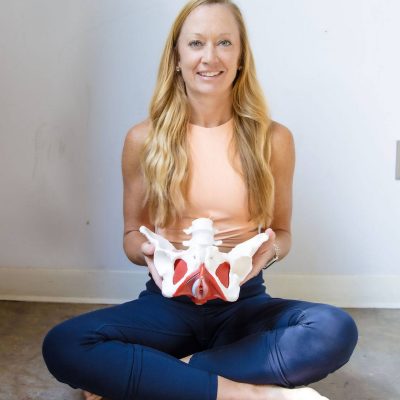
The tailbone, or coccyx, is the small triangular bone located at the very bottom of the spine. Although it may seem insignificant, the coccyx serves as an important attachment point for:
- Pelvic floor muscles
- Ligaments
- Connective tissues
- Portions of the gluteal muscles
Because the pelvic floor attaches directly to the tailbone, changes in tailbone position or mobility can influence how the pelvic floor muscles function.
Think of the coccyx as part of the foundation of the pelvic floor. When that foundation is irritated or restricted, symptoms can develop throughout the pelvis.
Common Causes of Tailbone Pain
Tailbone pain, also known as coccydynia, can occur for many reasons.
Some common causes include:
Falls or Trauma
A direct fall onto the buttocks is one of the most common causes of tailbone injury. Even if the fall occurred years ago, lingering restrictions or altered movement patterns may still contribute to symptoms.
Childbirth
During vaginal delivery, the coccyx must move slightly to accommodate the passage of the baby. In some cases, prolonged labor, assisted delivery, or birth-related trauma can result in coccyx irritation or mobility restrictions.
Prolonged Sitting
Long periods of sitting—especially on hard surfaces—can place repetitive stress on the tailbone and surrounding tissues.
Repetitive Strain
Cycling, rowing, horseback riding, and certain occupational positions may contribute to ongoing coccyx irritation.
Muscle Tension
Sometimes the tailbone itself is not the primary issue. Instead, tension within the pelvic floor muscles can pull on the coccyx and create discomfort.
Symptoms That May Be Related to the Tailbone
Tailbone dysfunction doesn’t always present as obvious tailbone pain.
Patients may experience:
- Pain with sitting
- Pain when transitioning from sitting to standing
- Pelvic floor pain
- Rectal discomfort
- Pain with bowel movements
- Pain during intimacy
- Low back pain
- Hip discomfort
- A sensation of pressure or heaviness in the pelvis
Because these symptoms overlap with many other pelvic health conditions, the coccyx is often overlooked during evaluation.
The Tailbone-Pelvic Floor Connection
The pelvic floor muscles attach to the coccyx and help support the bladder, bowel, and reproductive organs.
When the tailbone becomes irritated or restricted, the pelvic floor often responds by becoming more protective.
This can lead to:
- Increased muscle tension
- Difficulty relaxing during bowel movements
- Pelvic pain
- Pain with penetration
- Feelings of incomplete emptying
Similarly, a chronically tense pelvic floor can place abnormal forces on the coccyx, creating a cycle of pain and guarding.
In many cases, it becomes difficult to determine which came first—the tailbone dysfunction or the pelvic floor dysfunction—because the two are so closely connected.
Why Imaging Doesn’t Always Tell the Whole Story
Many patients are surprised to learn that imaging studies may appear normal even when significant symptoms are present.
This is because pain is not always caused by fractures or major structural abnormalities. Mobility restrictions, muscle tension, connective tissue irritation, and nervous system sensitization may not show up on standard imaging.
A thorough evaluation looks beyond the bones themselves and considers how the entire pelvic region is functioning.
How Pelvic Health Therapy Can Help
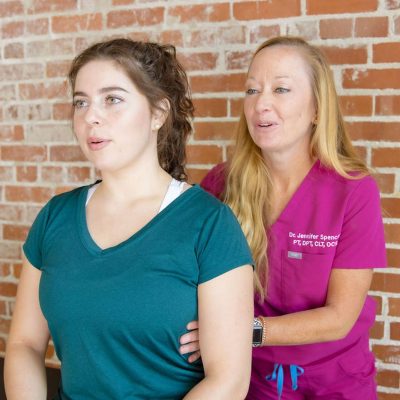
Pelvic health physical and occupational therapists are uniquely trained to evaluate the relationship between the tailbone, pelvic floor, hips, core, and nervous system.
Treatment may include:
- Pelvic floor muscle assessment
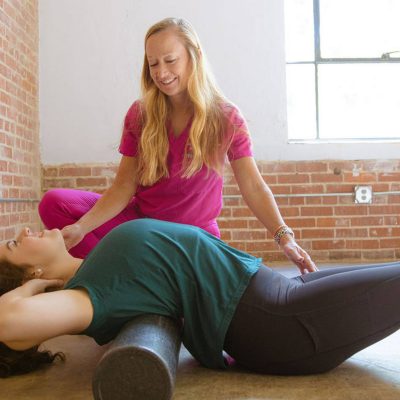
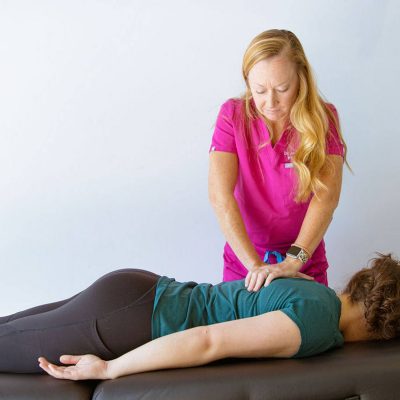
- Manual therapy techniques
- Tailbone mobility work
- Breathing and pressure management
- Postural modifications
- Sitting strategies
- Hip and core strengthening
- Nervous system regulation techniques
Treatment is always individualized based on the patient’s symptoms, history, and goals.
When to Seek Help
If you have persistent pelvic pain, pain with sitting, discomfort during bowel movements, or symptoms that haven’t responded to other treatments, it may be worth considering whether your tailbone is contributing.
You do not need a recent injury to have tailbone-related dysfunction. Many patients cannot identify a specific event and are surprised to learn how much the coccyx influences pelvic floor function.
The Takeaway
The tailbone may be small, but it plays a significant role in pelvic health.
Because the pelvic floor muscles attach directly to the coccyx, restrictions, irritation, or altered mobility of the tailbone can contribute to pelvic pain, bowel dysfunction, sitting discomfort, and other symptoms throughout the pelvis.
The good news is that tailbone dysfunction is often treatable. A comprehensive pelvic health evaluation can help determine whether the coccyx is contributing to your symptoms and guide a personalized treatment plan.
If you’ve been struggling with persistent pelvic pain and haven’t found answers yet, your tailbone may be a piece of the puzzle worth exploring.