If you’re managing swelling, heaviness, or fluid-related discomfort, you’ve likely heard about vibration plates and their potential benefits for lymphatic health. Patients often ask:
- “Can vibration help move lymph?”
- “Is this something I can do instead of manual lymphatic drainage?”
- “How does this fit into my treatment plan?”
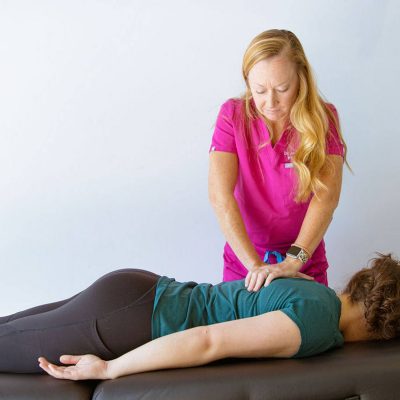
As a certified lymphedema therapist, it’s important to clarify what vibration plates can—and cannot—do, and how they may be used thoughtfully alongside hands-on treatment such as manual lymphatic drainage (MLD) provided by a certified lymphedema therapist.
A Quick Review: The Lymphatic System
The lymphatic system is responsible for:
- Returning excess fluid to the bloodstream
- Supporting immune function
- Managing inflammation and tissue health
Unlike the cardiovascular system, the lymphatic system does not have a central pump. Instead, lymph moves through:
- Muscle contractions
- Joint movement
- Breathing (diaphragmatic motion)
- Gentle pressure changes in tissues
When lymphatic flow is impaired—due to surgery, cancer treatment, trauma, inflammation, or prolonged immobility—patients may experience swelling, heaviness, discomfort, or reduced mobility.
How Vibration Plates May Influence Lymphatic Flow
Vibration plates create low-amplitude oscillations that travel through the body when standing, sitting, or performing gentle movements on the platform. From a physiological standpoint, vibration may:
- Stimulate muscle contractions
- Enhance circulation
- Encourage joint and soft tissue movement
- Create subtle pressure changes in tissues
These effects can support lymph movement indirectly, especially when paired with proper posture and breathing. For some patients, vibration can help “wake up” tissues and promote awareness of movement patterns that assist lymph flow.
What Vibration Plates Are Not
It’s important to be clear: vibration plates are not a replacement for manual lymphatic drainage.
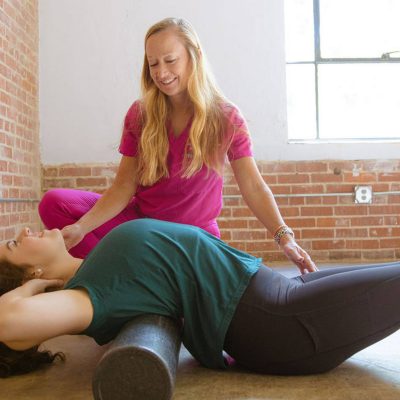
MLD is a specialized, hands-on technique performed by a certified lymphedema therapist that:
- Follows precise lymphatic pathways
- Redirects fluid toward functioning lymph nodes
- Addresses scar tissue and fibrosis
- Is tailored to individual anatomy and medical history
Vibration plates do not replicate this level of specificity or clinical reasoning. They are best viewed as a supportive tool, not a primary treatment.
How Vibration Can Complement Hands-On Lymphatic Care
When used appropriately and under guidance, vibration plates may complement in-person lymphatic therapy by:
- Supporting lymph flow between sessions
- Enhancing the effects of movement-based exercises
- Promoting gentle muscle activation without high strain
- Improving body awareness and postural engagement
For patients who already receive MLD, vibration can be incorporated as part of a broader plan that includes:
- Breathing strategies
- Gentle exercise
- Compression (when indicated)
- Education on self-management
This combination helps reinforce progress made during hands-on sessions.
Why Professional Guidance Matters
Not every patient with lymphatic concerns is a good candidate for vibration. Certain conditions require caution or modification, including:
- Active cancer or infection
- Acute inflammation or flare-ups
- Uncontrolled cardiovascular conditions
- Fragile tissues post-surgery or radiation
A certified lymphedema therapist or pelvic health PT/OT can determine:
- Whether vibration is appropriate
- How much intensity is safe
- Optimal positioning and duration
- How to pair vibration with breathing and movement
Without guidance, vibration may be ineffective—or in some cases, aggravating.
Integrating Vibration Into a Thoughtful Treatment Plan
When used correctly, vibration is typically:
- Low intensity
- Time-limited
- Paired with diaphragmatic breathing
- Integrated with movement rather than passive standing
The goal is to encourage physiological movement of lymph, not overwhelm the system.
In pelvic health populations—especially post-cancer patients or those with abdominal, pelvic, or lower extremity swelling—this integrative approach can help patients feel more supported between hands-on visits.
Patient Expectations: What Vibration Can and Can’t Do
Patients often report that vibration:
- Reduces feelings of heaviness
- Improves comfort with movement
- Enhances body awareness
- Supports consistency with home care
However, it does not:
- Replace skilled manual therapy
- Eliminate the need for compression or exercise
- “Fix” lymphatic dysfunction on its own
Long-term lymphatic health depends on education, consistency, and professional care, not a single modality.
The Takeaway
Vibration plates can be a helpful adjunct for supporting lymphatic flow—but they work best when used as part of a comprehensive plan guided by a certified lymphedema therapist.
Manual lymphatic drainage remains the gold standard for addressing lymphatic dysfunction. Vibration may enhance movement, circulation, and patient engagement between sessions, but it should never replace skilled, hands-on care.
If you’re curious whether vibration could be appropriate for your lymphatic or pelvic health needs, a trained therapist can help determine how—and if—it fits safely into your treatment plan.
Thoughtful integration, not substitution, is the key to supporting long-term lymphatic health.