When most people think of pelvic floor dysfunction, they often picture postpartum women or older adults. What many people don’t realize is that pelvic floor symptoms can affect young athletes, too.
Gymnasts, dancers, and cheerleaders place unique demands on their bodies through jumping, tumbling, flexibility training, balance work, and high-impact landings. These athletes are often incredibly strong, coordinated, and disciplined, yet many experience symptoms such as urinary leakage, pelvic pain, constipation, or feelings of pelvic pressure.
Unfortunately, these concerns are often dismissed as “normal” or simply part of being an athlete.
The reality is that pelvic floor symptoms are common—but they are not something athletes should feel obligated to live with.
Why These Sports Place Unique Demands on the Pelvic Floor
The pelvic floor is a group of muscles that supports the bladder, bowel, and reproductive organs while also contributing to core stability and pressure management.
Gymnastics, dance, and cheerleading require repeated:
- Jumping and landing
- Tumbling
- Sprinting
- Flexibility movements
- Single-leg balance activities
- Rapid changes in direction
Every landing creates forces that travel through the body, including the pelvic floor. Over time, these repetitive loads can challenge the body’s ability to manage pressure and absorb force efficiently.
The issue isn’t that these sports are harmful—it’s that the pelvic floor needs to be conditioned and coordinated just like any other athletic system.
Urinary Leakage Is More Common Than Many Athletes Realize
One of the most common pelvic floor symptoms in young athletes is urinary leakage during activity.
This may occur during:
- Tumbling passes
- Trampoline training
- Jumping skills
- Running
- Conditioning drills
- Competition routines
Many athletes assume leakage means they have a weak pelvic floor.
However, leakage is often related to:
- Poor pressure management
- Breathing mechanics
- Muscle timing
- Fatigue
- Pelvic floor overactivity
In fact, some athletes with leakage have pelvic floor muscles that are extremely active—but not functioning optimally.
Leaking during sports is common, but it should not be considered normal.
Flexibility Doesn’t Always Equal Stability
Gymnasts and dancers are often among the most flexible athletes we treat.
While flexibility can be a tremendous asset, excessive mobility without adequate stability may create challenges throughout the core and pelvis.
Some athletes develop:
- Joint instability
- Hip pain
- Low back pain
- Pelvic floor tension
- Difficulty controlling pressure during movement
This is particularly important for athletes with generalized hypermobility, who may require additional focus on strength, endurance, and movement control rather than flexibility alone.
The Connection Between the Core and Pelvic Floor
The pelvic floor works closely with:
- The diaphragm
- Deep abdominal muscles
- Back muscles
- Hips
Together, these structures form a pressure-management system that supports athletic performance.
When this system becomes uncoordinated, athletes may experience:
- Leakage
- Pelvic pressure
- Low back pain
- Hip discomfort
- Difficulty generating power
Pelvic health therapy often focuses on restoring coordination between these systems rather than simply strengthening one muscle group.
Pelvic Pain in Young Athletes
Pelvic pain is another concern that is often overlooked.
Athletes may experience:
- Tailbone pain
- Hip and groin discomfort
- Pain with sitting
- Pain during stretching
- Pelvic muscle tension
Because many athletes are accustomed to pushing through discomfort, these symptoms can persist for months before they are addressed.
Pain is not always an indication of injury. Sometimes it reflects excessive muscle tension, movement compensations, or pressure management challenges that can be improved with appropriate treatment.
Constipation and Bowel Health Matter, Too
Bowel health is rarely discussed in youth sports, but it plays an important role in pelvic floor function.
Constipation can contribute to:
- Increased pelvic floor tension
- Urinary urgency
- Leakage
- Abdominal discomfort
- Reduced athletic performance
Busy schedules, travel, dehydration, and delayed bathroom breaks can all increase the likelihood of constipation in young athletes.
Supporting bowel health is often an important piece of comprehensive pelvic floor care.
How Pelvic Health Therapy Can Help
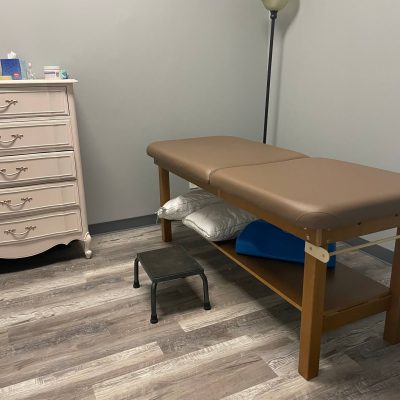
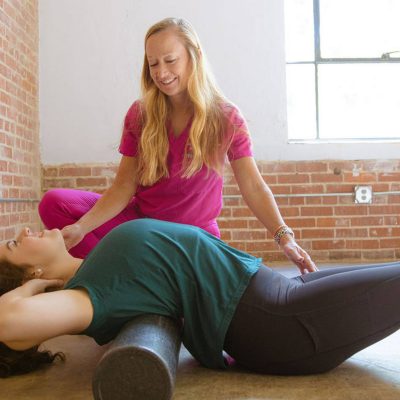
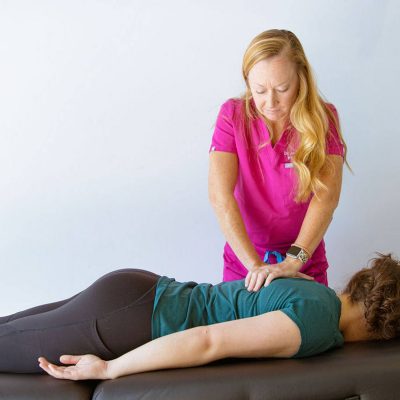
Pelvic health therapy is not just about exercises.
A comprehensive evaluation may assess:
- Breathing mechanics
- Core coordination
- Hip strength and mobility
- Jumping and landing mechanics
- Pressure management
- Balance and movement patterns
- Bowel and bladder habits
Treatment is individualized and designed to help athletes return to their sport with confidence.
Depending on the athlete’s needs, therapy may include:
- Core and pelvic floor coordination training
- Landing mechanics
- Pressure management strategies
- Flexibility and mobility work
- Strength and endurance training
- Education on hydration and bowel health
The goal is to improve performance while reducing symptoms—not to limit participation.
The Takeaway
Gymnasts, dancers, and cheerleaders are incredible athletes who place unique demands on their bodies. Symptoms such as urinary leakage, pelvic pain, constipation, or feelings of pelvic pressure are more common than many people realize, but they should not be considered a normal part of training.
Pelvic health therapy can help athletes better manage pressure, improve movement efficiency, and address symptoms that may be affecting both performance and confidence.
If you or your child is experiencing pelvic floor symptoms during sports, know that help is available. With the right assessment and treatment plan, athletes can continue to pursue the activities they love while supporting their long-term pelvic health.