When most people think of hypermobility, they think of flexibility.
Maybe you’ve always been able to touch your palms to the floor, sit in unusual positions, or impress friends with your flexibility. While being flexible may seem like an advantage, many people with hypermobility discover that flexibility doesn’t always translate to stability, strength, or optimal function.
As pelvic health therapists, we frequently work with individuals who have hypermobility spectrum disorders (HSD) or hypermobile Ehlers-Danlos syndrome (hEDS) and are experiencing symptoms such as urinary leakage, constipation, pelvic pain, prolapse, or feelings of instability.
If this sounds familiar, you’re not alone. Understanding the relationship between hypermobility and pelvic floor function can be an important step toward finding effective solutions.
What Is Hypermobility?
Hypermobility occurs when joints move beyond their typical range of motion due to increased laxity in connective tissues such as ligaments and tendons.
Some people are simply naturally flexible and experience few symptoms. Others may develop challenges related to joint stability, fatigue, pain, or coordination.
Because connective tissue is found throughout the body, hypermobility doesn’t just affect the knees, shoulders, or hips—it can also affect the structures that support the pelvic floor.
How Hypermobility Affects the Pelvic Floor
The pelvic floor is a group of muscles, ligaments, fascia, and connective tissues that help support the bladder, bowel, reproductive organs, and core.
When connective tissues are more elastic than average, the body often relies more heavily on muscles to provide stability and support.
This can lead to two common patterns:
Pattern #1: Overworked and Tight Pelvic Floor Muscles
Many people assume hypermobility automatically means loose muscles. In reality, the opposite is often true.
When joints and connective tissues provide less passive stability, the muscles may compensate by working harder.
Over time, this can contribute to:
- Pelvic pain
- Pain with intimacy
- Difficulty relaxing during bowel movements
- Constipation
- Urinary urgency
- Tailbone pain
The pelvic floor becomes less of a flexible support system and more of a constant stabilizer.
Pattern #2: Weakness and Reduced Endurance
Some individuals with hypermobility also experience reduced muscular endurance and difficulty generating adequate force when needed.
This may contribute to:
- Urinary leakage
- Pelvic organ prolapse symptoms
- Feelings of heaviness or pressure
- Difficulty with impact activities
- Challenges during pregnancy and postpartum recovery
It’s important to understand that pelvic floor dysfunction in hypermobility is rarely a simple “strength problem.” Coordination and timing are often just as important.
Why Constipation Is So Common
Constipation is one of the most frequent complaints we see in patients with hypermobility.
Several factors may contribute, including:
- Pelvic floor muscle tension
- Altered connective tissue support
- Slower gastrointestinal motility
- Difficulty coordinating bowel movements
- Reduced body awareness of bowel signals
Many patients have tried increasing fiber and water intake without significant improvement because the issue isn’t solely dietary.
When pelvic floor muscles struggle to relax appropriately during bowel movements, constipation can persist despite otherwise healthy habits.
The Nervous System Connection
Many individuals with hypermobility also experience differences in nervous system regulation.
Some may notice:
- Increased sensitivity to pain
- Fatigue
- Dizziness with position changes
- Difficulty tolerating prolonged activity
- Heightened stress responses
When the nervous system is working harder to maintain stability and process sensory information, muscles—including the pelvic floor—may become more protective and tense.
This is one reason pelvic health treatment often involves more than exercises alone.
Why “Just Do Kegels” Isn’t the Answer
One of the biggest misconceptions surrounding pelvic floor dysfunction is that everyone needs Kegels.
For individuals with hypermobility, this can sometimes make symptoms worse.
If pelvic floor muscles are already overworking to compensate for joint instability, adding repetitive strengthening without addressing coordination, breathing, and relaxation may increase tension and discomfort.
A thorough assessment helps determine whether the pelvic floor needs:
- Strengthening
- Relaxation
- Endurance training
- Coordination work
- Or a combination of all of the above
Treatment should always be individualized.
How Pelvic Health Therapy Can Help
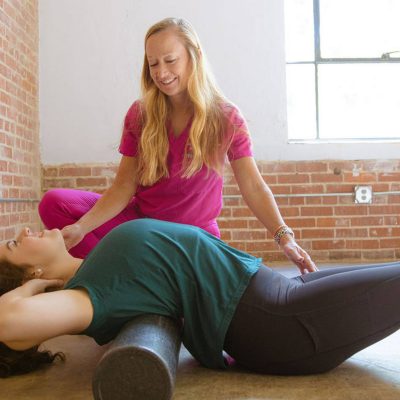
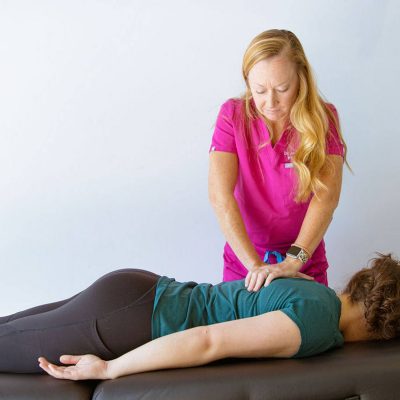
Pelvic health therapy for individuals with hypermobility focuses on building stability without creating unnecessary tension.
Treatment may include:
- Breathing and pressure management
- Core and pelvic floor coordination
- Hip and trunk stabilization
- Strategies for bowel and bladder function
- Exercise modification
- Nervous system regulation techniques
- Education on pacing and recovery
The goal is not to make your body less flexible. The goal is to help your body feel more supported, efficient, and confident during everyday activities.
Exercise Is Important—But It May Need to Look Different
Many people with hypermobility have been told to either avoid exercise altogether or simply push through symptoms.
Neither approach is ideal.
Research and clinical experience consistently show that appropriate strengthening and movement are important for long-term function. However, success often comes from focusing on:
- Control before intensity
- Endurance before maximal loading
- Breathing during movement
- Gradual progression
The best exercise program is one that helps you build stability while respecting your body’s unique needs.
The Takeaway
Being flexible does not automatically mean being strong, stable, or symptom-free.
Because connective tissue plays such an important role in pelvic floor support, individuals with hypermobility may be more likely to experience pelvic pain, constipation, urinary symptoms, prolapse, and feelings of instability. Fortunately, these symptoms are not something you simply have to accept.
Pelvic health therapy can help identify the specific factors contributing to your symptoms and create a personalized plan that supports strength, coordination, and confidence.
If you’ve been told your symptoms are “just part of being hypermobile,” know that there are often effective strategies available to help you move, function, and feel better.