For many girls and women, inserting a tampon should be relatively comfortable. While there may be a brief learning curve when first using tampons, persistent pain is not considered normal.
If you’ve ever experienced burning, sharp pain, resistance, or the feeling that “it just won’t go in,” you may have wondered if something was wrong with your body.
The good news is that painful tampon insertion is often treatable. As pelvic health physical and occupational therapists, we frequently work with adolescents and adults experiencing these symptoms, helping them understand the underlying causes and restore comfort and confidence.
Pain Is Not Something You Should “Push Through”
Many people are told that tampon insertion is supposed to hurt, especially the first few times.
While mild initial discomfort may occur while learning, persistent or severe pain deserves further evaluation.
Pain may occur:
- Every time you attempt insertion
- Only during certain times of the menstrual cycle
- After childbirth
- During perimenopause or menopause
- Following pelvic surgery
- Alongside pain during intercourse or pelvic exams
These symptoms are your body’s way of communicating that something may need attention.
Common Causes of Painful Tampon Insertion
Several factors can contribute to discomfort, including:
Pelvic Floor Muscle Tension
One of the most common causes is an overactive or tight pelvic floor.
When these muscles remain contracted or become protective, they can make insertion painful or difficult.
Individuals may describe:
- Burning
- Tightness
- Feeling like they are “hitting a wall”
- Difficulty relaxing
- Pain during pelvic exams or intercourse
Strengthening exercises alone are not appropriate for everyone. In many cases, learning how to relax and coordinate these muscles is the first step toward improvement.
Vestibulodynia and Vulvar Pain
Pain located near the vaginal opening may be related to irritation or increased sensitivity of the vulvar tissues.
Symptoms often include:
- Burning
- Stinging
- Pain with light touch
- Discomfort during tampon use, intercourse, or gynecologic exams
Pelvic floor muscle tension frequently develops alongside these conditions, making comprehensive treatment especially important.
Hormonal Changes
Changes in estrogen levels during breastfeeding, perimenopause, or menopause can affect tissue health and contribute to discomfort.
Dryness, tissue sensitivity, and reduced elasticity may all play a role.
Fear, Anxiety, and Muscle Guarding
It’s important to recognize that the pelvic floor responds to stress just like any other muscle group.
If someone anticipates pain, the pelvic floor may automatically tighten in an effort to protect the body.
This is an involuntary response—not something a person chooses or can simply “relax” away.
Addressing both the physical and nervous system components of pain is often essential for lasting improvement.
It’s Not “Just in Your Head”
One of the most harmful myths surrounding pelvic pain is that it is purely psychological.
While emotions and the nervous system certainly influence muscle tension and pain perception, the pain itself is very real.
Pelvic health therapy recognizes the complex relationship between muscles, connective tissues, nerves, hormones, and the nervous system to provide individualized care.
What to Expect During Pelvic Health Therapy
Many people are nervous about scheduling pelvic floor therapy because they assume an internal examination is required.
In reality, you are always in control of your care.
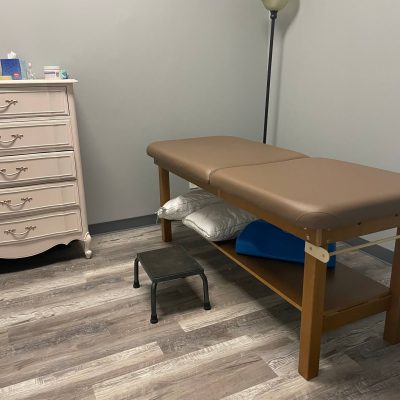
Your therapist will explain every step of the evaluation, obtain your consent, and discuss alternatives if an internal examination is not appropriate or if you are not comfortable.
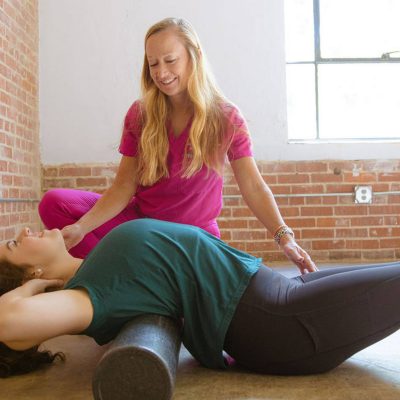
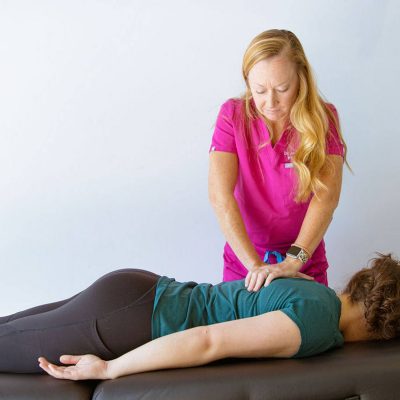
Treatment may include:
- Education about pelvic anatomy
- Breathing and relaxation techniques
- Pelvic floor muscle coordination
- Gentle manual therapy
- Mobility exercises
- Desensitization strategies
- Home exercises
- Education regarding lubricants, positioning, or menstrual products when appropriate
The goal is to create a treatment plan that feels safe, collaborative, and individualized.
Can Adolescents Benefit From Pelvic Floor Therapy?
Absolutely.
Teenagers who experience pain with tampon insertion, sports participation, constipation, or pelvic pain may benefit from pelvic health physical or occupational therapy.
Early treatment can help prevent symptoms from becoming chronic and improve confidence before future gynecologic exams or sexual activity.
Therapy is always age-appropriate and individualized, with education and family involvement when appropriate. No internal work would be performed on anyone under the age of 18.
When Should You Seek Help?
Consider speaking with your healthcare provider or scheduling a pelvic health evaluation if:
- Tampon insertion is consistently painful
- You avoid tampons because of discomfort
- You experience pain during pelvic exams
- You have burning or tightness near the vaginal opening
- Pain interferes with your daily life or activities
Pain is your body’s way of asking for attention—not something you should simply tolerate.
The Takeaway
Painful tampon insertion is more common than many people realize, but it is not considered a normal part of growing up or menstruation. Pelvic floor muscle tension, tissue sensitivity, hormonal changes, and nervous system responses can all contribute to discomfort.
Pelvic health physical and occupational therapy provides a compassionate, individualized approach to identifying the underlying causes of pain and helping you regain confidence in your body.
Whether you’re a teenager using tampons for the first time or an adult who has struggled with pain for years, know that effective treatment options are available—and you don’t have to figure it out alone.