When people think about pelvic floor therapy, they often assume it’s only for women—or that it only addresses urinary issues. In reality, men’s pelvic health is a critical and often overlooked aspect of overall function, comfort, and quality of life.
More men than ever are searching for answers related to erectile dysfunction, pelvic pain, discomfort during sexual activity, or lingering symptoms after prostate or abdominal surgery. Yet many are surprised to learn that these concerns may be linked to the pelvic floor—and that pelvic health physical therapy can help.
The Pelvic Floor: More Than Just Bladder Control
The pelvic floor is a group of muscles, connective tissues, and nerves that sit at the base of the pelvis. In men, these structures play essential roles in:
- Erectile function
- Ejaculatory control
- Pelvic and genital sensation
- Core stability and movement efficiency
- Pain regulation
When these muscles are not functioning optimally—whether too tight, too weak, poorly coordinated, or overactive—symptoms can arise that affect both physical performance and confidence.
How Pelvic Floor Dysfunction Can Affect Sexual Function
Sexual function relies on precise coordination, not just strength. Pelvic floor dysfunction in men can contribute to:
- Erectile dysfunction (difficulty achieving or maintaining an erection)
- Premature or painful ejaculation
- Reduced sexual sensation
- Performance anxiety due to pain or unpredictability
Importantly, many men with these symptoms do not have a hormonal or vascular cause. Instead, they may have excess pelvic floor tension, altered nerve signaling, or inefficient muscle timing—all of which can interfere with normal sexual response.
Pelvic physical therapy focuses on restoring coordination, relaxation, and strength where appropriate, rather than simply “strengthening” across the board.
Pain Isn’t Always a Structural Problem
Pelvic pain in men can show up as:
- Perineal or testicular discomfort
- Penile or rectal pain
- Pain with ejaculation
- Lower abdominal, groin, or tailbone pain
These symptoms are often influenced by a combination of muscular tension, nerve sensitivity, and protective guarding patterns. Nerves that pass through the pelvis—such as the pudendal, ilioinguinal, or genitofemoral nerves—can become irritated by surrounding muscle tightness or prolonged pressure.
In many cases, imaging and medical testing appear normal, which can be frustrating and confusing for patients. Pelvic health therapy helps address functional contributors that may not appear on scans but still significantly affect comfort and quality of life.
Stress, Anxiety, and the Pelvic Floor
One of the most under-recognized contributors to pelvic floor dysfunction in men is stress.
Chronic stress, anxiety, and high mental load can lead to:
- Involuntary pelvic floor tightening
- Shallow breathing patterns
- Increased pain sensitivity
- Difficulty relaxing during sexual activity
For many men, the pelvic floor responds to stress much like the jaw or shoulders—tightening without conscious awareness. Over time, this tension can interfere with both comfort and performance.
Pelvic physical therapy incorporates nervous system regulation, breathing strategies, and movement retraining to help the pelvic floor respond appropriately rather than remain stuck in a guarded state.
When Pelvic Health Physical Therapy Can Help
Men may benefit from pelvic floor physical therapy for a variety of concerns, including:
- Pain with ejaculation
- Chronic pelvic pain or prostatitis-type symptoms
- Erectile dysfunction without a clear medical cause
- Post-prostatectomy or post-surgical rehabilitation
- Pelvic or groin pain affecting exercise or sports
- Persistent symptoms despite medication or rest
Pelvic PT addresses both local and global contributors, looking at posture, breathing, core coordination, hip function, and stress patterns—not just the pelvic floor in isolation.
What Pelvic Physical Therapy Involves
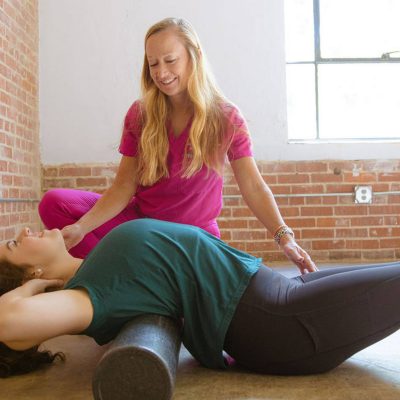
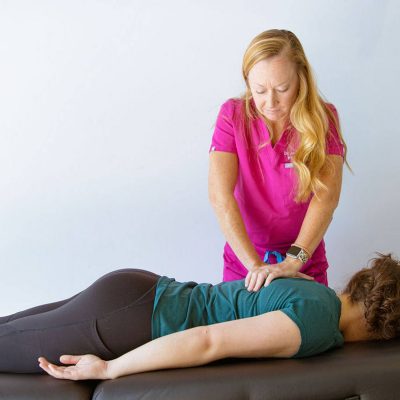
Pelvic health therapy for men is individualized and always consent-based. Sessions may include:
- Education about pelvic anatomy and function
- Breathing and relaxation strategies
- Manual therapy (external and/or internal when appropriate)
- Targeted strengthening or down-training
- Movement and exercise progression
- Lifestyle and habit education
The goal is not only symptom relief but long-term confidence and control.
Breaking the Stigma
Many men delay seeking help because pelvic symptoms feel embarrassing or misunderstood. The truth is that pelvic floor dysfunction is common, treatable, and not a personal failing.
Seeking care is not about weakness—it’s about understanding how your body works and addressing issues early before they worsen or limit participation in life.
The Takeaway
Men’s pelvic health goes far beyond urinary symptoms. Pelvic floor dysfunction can influence sexual function, pain, athletic performance, and overall confidence—but effective help is available.
Pelvic health physical therapy offers a comprehensive, evidence-informed approach to addressing these concerns with respect, discretion, and expertise.
If you’re experiencing symptoms you’ve been told to “just live with,” or if answers have been hard to find, a pelvic health therapist can help you move forward—stronger, more comfortable, and more confident.