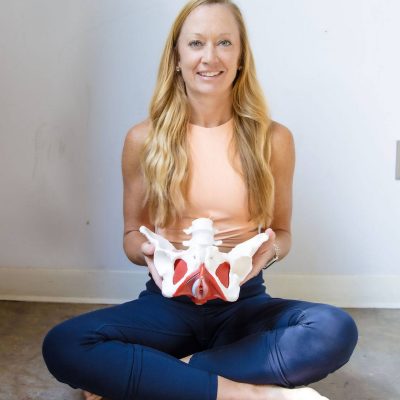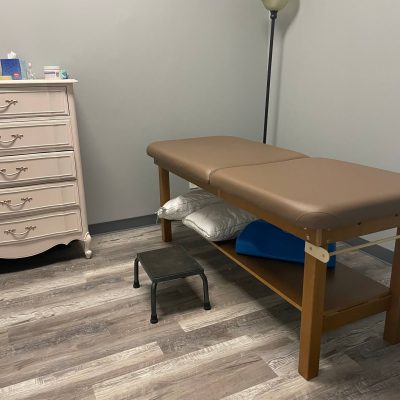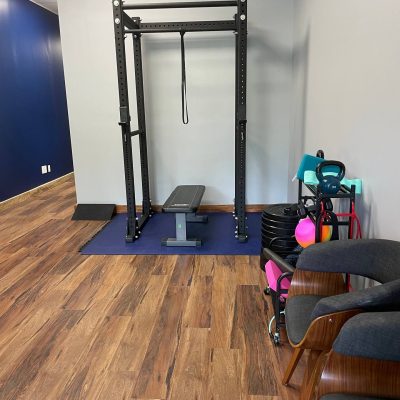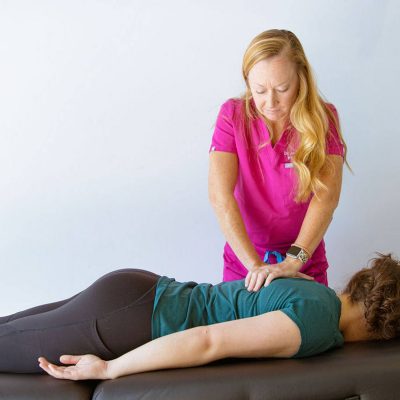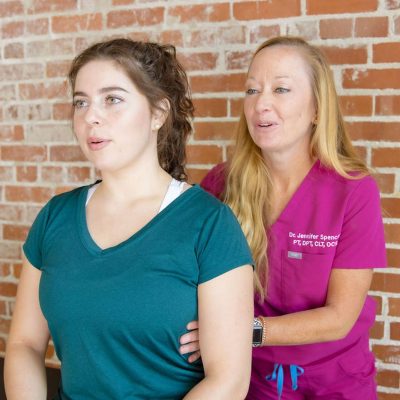
Sara, a 34-year-old Pilates enthusiast and retail manager, came to physical therapy complaining of pelvic discomfort and occasional urinary leakage during her daily walks. She spent eight to ten hours a day standing at work and often described a sense of tightness deep in her pelvis after long shifts. Although she was physically active and diligent about her Pilates practice, she had begun noticing increased stiffness in her hips and a subtle loss of balance during prolonged standing. During postural assessment, her therapist observed a posterior pelvic tilt with her glutes tucked under, a position that limits natural pelvic alignment and movement. A pelvic floor examination revealed hypertonicity, meaning the muscles were overly active and unable to fully relax. While these findings pointed to local muscle tension, a full-body assessment uncovered another piece of the puzzle: Sara had limited foot pronation. Pronation is the foot’s natural motion for absorbing shock and adapting to the ground. When pronation is limited, often from rigid footwear, extended standing, or previous ankle stiffness, the foot becomes less able to distribute forces efficiently. This restriction reduces tibial internal rotation and increases external rotation at the knee, altering normal load transfer through the lower limb. As a result, the hip and pelvis must compensate, often developing rotational imbalances and muscular tension through the adductors and hip rotators.
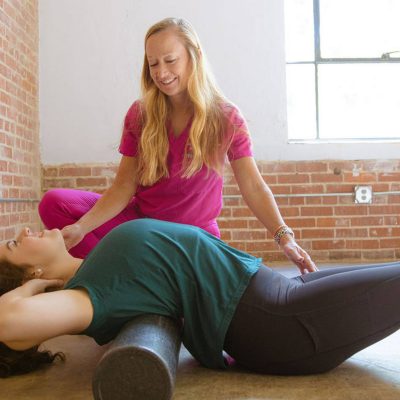
In Sara’s case, the combination of a tucked pelvis and restricted lower-chain mobility placed extra demand on her deep core and pelvic floor muscles. These muscles were working overtime to provide stability and postural support throughout her long workdays. Over time, this constant engagement led to hypertonicity, muscles that seem strong but are unable to relax fully. The result was a cycle of tension, pressure, and mild stress incontinence while walking. Treatment focused on restoring movement and balance from the ground up. Foot mobility and pronation training using barefoot exercises and soft tissue release of the plantar fascia helped Sara regain proper shock absorption and load distribution. Mobility work for the tibia and hips encouraged efficient rotation through the kinetic chain, while postural retraining emphasized maintaining a neutral pelvis and avoiding the habitual gluteal tuck with exercises including hinge movements. Pelvic floor down-training incorporated internal pelvic work and breath-focused relaxation strategies to restore balance between activation and release, sequences to mobilize the spine and engage the core, stretches, and movements to activate hip muscles dynamically, combined with diaphragmatic breathing to encourage full 360° rib expansion and allow the diaphragm and pelvic floor to move freely.
After eight weeks, Sara reported improved posture, reduced pelvic tightness, and no urinary leakage during walks or long hours on her feet. By addressing not only her pelvic floor but also her foot mechanics, spinal mobility, and hip alignment, her therapist helped resolve symptoms that initially seemed unrelated to the feet. This case highlights how pelvic floor dysfunction doesn’t always originate in the pelvis itself. Limited pronation and compensatory posture can create a chain reaction, increasing mechanical stress up through the pelvis and into the pelvic floor. Addressing these foundational mechanics allows the body to move more efficiently, reduces unnecessary muscular tension, and supports both function and comfort, from the ground up.