If you’ve had a prostatectomy and are still experiencing urinary leakage, you’ve probably heard the advice: “Do your Kegels.”
Pelvic floor exercises are commonly recommended after prostate surgery, and for good reason. But what if you’ve been doing Kegels consistently and are still leaking? What if you’re squeezing all day, unsure whether you’re contracting the right muscles, or noticing that leakage gets worse when you exercise, stand up, cough, or lift something?
The problem may not be how many Kegels you’re doing. It may be how you’re doing them—or whether your pelvic floor needs a different approach.
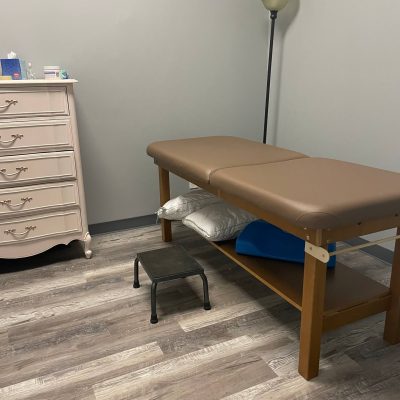
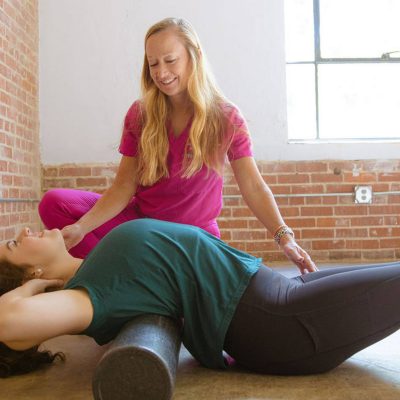
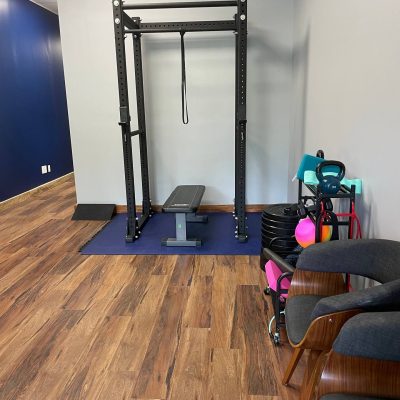
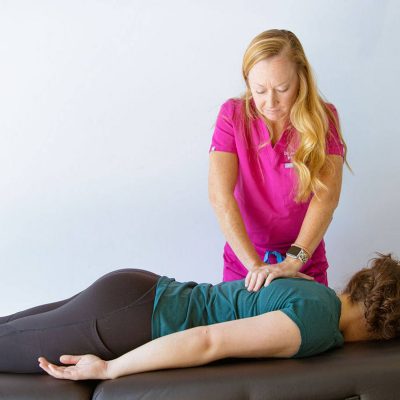
At Magic City Physical Therapy in Birmingham, Alabama, our pelvic health physical therapists (PTs) and occupational therapists (OTs) help men address urinary incontinence after prostatectomy through individualized treatment focused on pelvic floor function, coordination, strength, and bladder control.
The good news? Persistent leakage deserves attention, and it’s not too late to seek help.
Why Does Urinary Leakage Happen After Prostatectomy?
The prostate sits just below the bladder and surrounds part of the urethra, the tube that carries urine out of the body. Prostate removal can affect the structures responsible for maintaining urinary continence, including the urinary sphincter and the surrounding pelvic floor muscles.
After surgery, some men experience stress urinary incontinence, meaning urine leaks during activities that increase abdominal pressure, such as coughing, sneezing, standing, walking, exercising, or lifting.
Others experience urinary urgency, frequency, or a combination of symptoms.
Recovery varies from person to person. While urinary control often improves over time, some men continue to experience leakage months or even years after surgery.
Pelvic floor muscle training is an important part of conservative treatment. The American Urological Association (AUA) recommends offering pelvic floor muscle training to men seeking treatment for post-prostatectomy incontinence.
However, effective training involves more than simply squeezing your pelvic floor repeatedly.
1. Are You Doing Too Many Kegels?
More isn’t always better.
Your pelvic floor muscles need to contract effectively, but they also need to relax between contractions. Performing excessive repetitions, holding contractions for too long, or keeping the muscles continuously clenched throughout the day may contribute to fatigue, poor coordination, or difficulty fully releasing the muscles.
This is particularly important if you are performing dozens or hundreds of Kegels daily without a structured progression or guidance.
Signs your routine may need adjustment include:
- Your pelvic floor feels fatigued, tight, or difficult to relax.
- You notice more leakage as the day progresses.
- You struggle to maintain a strong contraction after several repetitions.
- You find yourself constantly clenching your pelvic floor throughout the day.
- You are performing exercises consistently but aren’t seeing meaningful improvement.
The goal isn’t to keep your pelvic floor contracted all day. It’s to develop the strength, endurance, and coordination needed to respond appropriately when your body needs urinary control.
A pelvic health PT or OT can assess your muscle function and help determine the appropriate number of repetitions, hold times, rest periods, and progression for your individual needs.
2. Are You Doing Too Few Kegels—or Progressing Too Slowly?
On the other hand, performing too few repetitions, using inadequate effort, or stopping your exercises prematurely may limit progress.
Pelvic floor muscles need an appropriate training stimulus, just like other muscles in your body. Depending on your examination findings, your program may include short contractions for quick responses, longer holds to build endurance, and exercises that challenge your muscles during functional activities.
Consistency matters, but your program should also evolve as your strength and coordination improve.
For example, you may initially practice pelvic floor contractions while lying down, where the muscles have less demand from gravity. As control improves, your therapist may progress you to sitting, standing, walking, or activities that reproduce your leakage.
The right exercise program is one that matches your current abilities and progresses as your function improves—not simply one with the highest number of repetitions.
3. Are You Contracting the Right Muscles?
This is one of the most common challenges with Kegels.
Some men unknowingly compensate by squeezing their buttocks, tightening their inner thighs, holding their breath, or bearing down instead of lifting and contracting the pelvic floor.
Others have difficulty identifying the muscles at all.
A pelvic floor contraction should generally feel like a gentle inward and upward lift around the base of the pelvis. You should be able to breathe normally without excessive tension in your abdomen, buttocks, or thighs.
Avoid practicing by repeatedly stopping your urine stream. Although this may seem like an easy way to identify the muscles, regularly interrupting urination is not recommended as an exercise strategy.
Your PT or OT can teach you how to identify the correct muscles and coordinate contraction with breathing. When appropriate and with your consent, an internal pelvic floor examination may provide additional information about muscle strength, endurance, coordination, and relaxation. Internal assessment is optional, and treatment can be adapted to your comfort level.
4. Are You Using Your Pelvic Floor at the Right Time?
Even strong pelvic floor muscles may not provide optimal urinary control if they don’t activate at the right time.
For example, leakage during coughing, sneezing, lifting, or standing may indicate difficulty coordinating pelvic floor activation with changes in abdominal pressure.
Your therapist may teach you to gently engage your pelvic floor just before and during an activity that typically causes leakage, while continuing to breathe normally. This strategy is sometimes called the Knack.
Treatment may also incorporate breathing mechanics, abdominal coordination, posture, hip strength, and movement retraining.
Why? Because your pelvic floor doesn’t work in isolation. It works with your diaphragm, abdominal muscles, and other structures to manage pressure and support continence during everyday activities.
The objective is to help your body use these muscles automatically and efficiently—not to make you think about squeezing your pelvic floor with every movement.
How Pelvic Floor PT and OT Can Help After Prostatectomy
At Magic City Physical Therapy, our pelvic health physical therapists and occupational therapists provide individualized care for men experiencing urinary leakage and other pelvic health concerns after prostate surgery.
Your evaluation may include a review of your surgical history, urinary symptoms, fluid habits, activity-related leakage, and current exercise routine. Your therapist will assess relevant movement patterns and, when appropriate, pelvic floor muscle function.
Your treatment plan may include:
- Individualized pelvic floor training: Improving muscle awareness, strength, endurance, and relaxation as needed.
- Breathing and pressure management: Learning to coordinate your breathing and pelvic floor during lifting, coughing, exercise, and daily activities.
- Bladder education: Identifying habits and strategies that may influence urinary urgency and frequency.
- Functional movement training: Practicing the movements and activities that matter most to your daily life.
- Progressive home exercises: Developing a realistic program that evolves with your recovery and goals.
Treatment is tailored to your symptoms, examination findings, preferences, and stage of recovery. Not every man needs the same exercises, and not every session requires an internal examination.
Still Leaking Months or Years Later? It’s Not Too Late.
If you are still experiencing urinary leakage after prostatectomy, you don’t have to assume that Kegels are your only option—or that persistent symptoms are simply something you must live with.
The AUA supports offering pelvic floor muscle training as part of treatment for post-prostatectomy incontinence. A pelvic health evaluation can help determine whether your current approach is appropriate and what other strategies may help.
If leakage is persistent, worsening, or interfering with exercise, work, travel, or your confidence, speak with your urologist and consider a referral to pelvic floor physical or occupational therapy.
You may not need more Kegels. You may need better technique, a different progression, improved coordination, or a more individualized treatment plan.
Ready to Take the Next Step?
Magic City Physical Therapy provides specialized pelvic floor PT and OT in Birmingham, Alabama, for men experiencing urinary leakage after prostatectomy and other pelvic health concerns.
You deserve a treatment plan that addresses your symptoms, your goals, and the underlying factors affecting your recovery.
Contact Magic City Physical Therapy to learn how individualized pelvic health therapy can help you work toward better bladder control and a more confident return to daily activities.
Medical note: Recovery after prostatectomy varies. Pelvic floor therapy can be an important part of conservative management, but results depend on individual factors. Consult your healthcare provider for persistent or worsening symptoms, and seek urgent medical attention for inability to urinate, significant blood in the urine, or other concerning postoperative symptoms.