Urinary leakage after prostate surgery is common, but it doesn’t have to be something you simply live with. Learn how pelvic floor physical therapy and occupational therapy can help you improve bladder control, regain confidence, and return to the activities you enjoy.
If you still experience urinary leakage months or even years after prostate surgery, you may have assumed it was something you had to accept.
Maybe you wear pads every day, limit how much you drink before leaving the house, or avoid running, golfing, lifting weights, and other activities because you’re worried about leaking. Perhaps you’ve tried Kegels without much improvement and aren’t sure what else to do.
You’re not alone, and it’s not too late to seek help.
Persistent post-prostatectomy urinary incontinence can require ongoing evaluation and treatment. Pelvic floor muscle training is an important component of conservative care, but effective rehabilitation may involve more than strengthening the pelvic floor.
At Magic City Physical Therapy in Hoover, Alabama, our physical therapy (PT) and occupational therapy (OT) team provides specialized pelvic health rehabilitation to help men address urinary symptoms, improve functional control, and regain confidence in daily life.
Why Can Urinary Leakage Persist Years After Prostatectomy?
The prostate sits below the bladder and surrounds part of the urethra, which carries urine out of the body. During a radical prostatectomy, the prostate is removed, and the structures responsible for maintaining urinary control can be affected.
Persistent leakage may involve changes in urinary sphincter function, reduced pelvic floor muscle strength or endurance, impaired muscle coordination, or difficulty managing pressure during movement. Radiation therapy and other prostate cancer treatments may introduce additional factors.
Both pelvic floor PT and OT can play a role in rehabilitation. Depending on your needs and your therapist’s evaluation, treatment may address pelvic floor muscle function, breathing and pressure management, movement patterns, bladder habits, and the impact of urinary symptoms on daily activities.
Why Do You Leak When You Cough, Sneeze, Lift, or Exercise?
Many men experience stress urinary incontinence, meaning urine escapes when activities increase pressure inside the abdomen.
You might notice leakage when coughing, sneezing, standing up, lifting weights, bending over, running, or playing sports.
Your pelvic floor and urinary sphincter normally respond to these changes in pressure to help maintain continence. Following prostate surgery, this response may be weakened, delayed, or poorly coordinated.
Pelvic floor PT and OT can help you understand how your body responds to these demands and develop strategies to improve control during real-world activities—not just while performing exercises on a treatment table.
Why Doing More Kegels Isn’t Always the Answer
Pelvic floor muscle training is an important part of post-prostatectomy rehabilitation, but simply performing more Kegels may not address every contributing factor.
Some men have difficulty identifying the correct muscles. Others compensate by tightening their buttocks, holding their breath, or bearing down. Some have difficulty fully relaxing the pelvic floor between contractions.
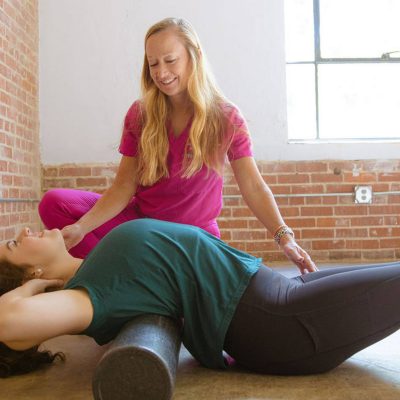
A pelvic health therapist can assess how well you contract, relax, and coordinate your pelvic floor muscles. Treatment may include targeted exercises, breathing coordination, biofeedback when appropriate, and functional movement training.
The goal isn’t simply to do more Kegels. It’s to help your pelvic floor work effectively when you need it.
How Breathing, Core Pressure, and Daily Habits Affect Bladder Control
Your pelvic floor works with your diaphragm, abdominal muscles, and other muscles around your trunk and pelvis to manage pressure during movement.
Holding your breath while lifting, for example, can increase abdominal pressure. If the pelvic floor and urinary sphincter cannot respond effectively, leakage may occur.
Depending on your evaluation, PT and OT interventions may address:
- Breathing and pressure management: Coordinating breathing with lifting, bending, and other physical demands.
- Pelvic floor coordination: Improving muscle activation, endurance, and relaxation as appropriate.
- Core and hip mechanics: Addressing movement patterns that interfere with efficient coordination.
- Bladder habits: Reviewing fluid intake, bathroom routines, and strategies for responding to urinary urgency.
- Functional activities: Practicing strategies for exercise, household tasks, work responsibilities, and other activities affected by leakage.
Your treatment plan should reflect your individual symptoms, examination findings, and goals rather than following a one-size-fits-all exercise program.
What Does a Male Pelvic Floor PT or OT Evaluation Look Like?
Seeking pelvic floor therapy can feel unfamiliar, especially if you aren’t sure what to expect. At Magic City Physical Therapy, your evaluation begins with a conversation about your surgical history, urinary symptoms, activity limitations, and goals.
Your therapist may ask about pad use, leakage during exercise, urinary urgency, nighttime symptoms, previous treatment, and any history of radiation or other prostate cancer therapies.
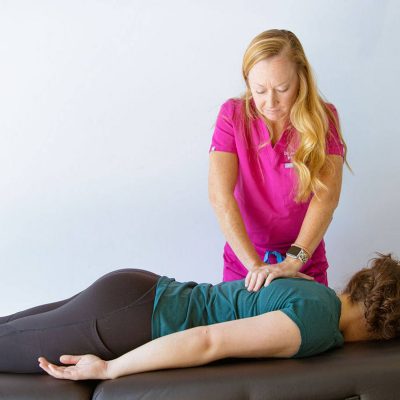
The physical examination may include assessment of breathing, abdominal and pelvic floor muscle coordination, posture, hip mobility, and functional movement. An internal pelvic floor examination may be discussed when clinically appropriate, but it is not automatically required for every patient. Your therapist should explain the purpose of any examination and obtain your consent.
PT and OT approaches may overlap in pelvic health rehabilitation, while treatment emphasis can vary according to your needs and the clinician’s scope of practice. Care may focus on pelvic floor muscle function, movement and pressure management, bladder routines, and practical strategies for managing symptoms during daily activities.
The goal is to help you understand what’s contributing to your leakage and develop a personalized plan for improving bladder control and participation in the activities that matter to you.
Can Therapy Help If You’ve Already Tried It?
Possibly. Previous treatment doesn’t necessarily mean you’ve exhausted your options.
If you completed pelvic floor exercises after surgery but continue to experience leakage, a reassessment may help identify areas that need further attention. Your previous program may not have addressed functional movement, breathing coordination, bladder habits, or the specific activities that trigger symptoms.
A PT or OT experienced in pelvic health can review what you’ve tried, evaluate your current function, and help determine whether a different rehabilitation approach may be appropriate.
Results vary based on the cause and severity of incontinence, your surgical and treatment history, and other health factors. Therapy cannot guarantee complete continence, but it can be an important component of comprehensive care.
When Should You Talk With Your Urologist About Other Options?
Physical and occupational therapy do not replace medical evaluation. If leakage remains bothersome despite conservative treatment, your urologist can discuss additional options based on the type and severity of your symptoms. These may include continence devices, a male sling for selected patients, or an artificial urinary sphincter.
Your urologist and pelvic health therapist can help you understand the available options and coordinate care when appropriate.
If symptoms are new or suddenly worsening, or you experience blood in your urine, painful urination, or difficulty emptying your bladder, contact your medical provider promptly.
Get Help for Urinary Leakage in Birmingham, Alabama
You went through prostate surgery to protect your health. You deserve support with the lasting effects that may follow.
Whether your surgery was months ago or several years ago, persistent urinary leakage deserves attention. You don’t have to keep planning your day around bathroom access, wearing pads without exploring other options, or avoiding activities you enjoy.
Magic City Physical Therapy offers specialized pelvic floor PT and OT in Hoover, Alabama, serving men throughout Birmingham and the surrounding communities. Our individualized approach considers the whole body and the practical demands of daily life—not just the pelvic floor.
If you’re living with post-prostatectomy urinary incontinence, contact Magic City Physical Therapy to schedule an evaluation and discuss your goals with our team.
You don’t have to accept persistent leakage as your new normal. It’s worth finding out what may still be possible.