Many of us spend hours sitting each day—at a desk, in the car, during meetings, or relaxing at home. While sitting may seem like a restful position, prolonged sitting can contribute to a variety of pelvic floor symptoms.
If you’ve noticed increased pelvic pain, tailbone discomfort, urinary urgency, constipation, or feelings of pelvic tension after a long day of sitting, you’re not imagining it.
Our bodies are designed to move, and prolonged sitting can affect the muscles, joints, circulation, and nervous system that all play important roles in pelvic health.
The good news is that small changes throughout your day can make a meaningful difference.
How Sitting Affects the Pelvic Floor
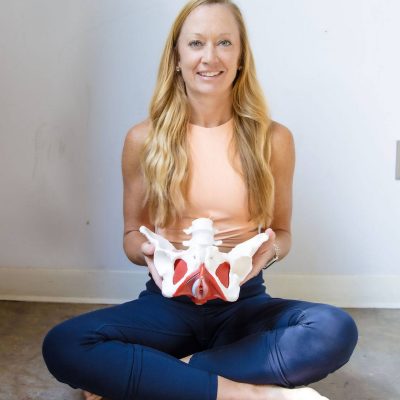
The pelvic floor is a group of muscles that supports the bladder, bowel, and reproductive organs while also contributing to core stability and pressure management.
When sitting for extended periods:
- The hips remain in a flexed position.
- The pelvic floor experiences sustained pressure.
- Blood flow may decrease.
- Connective tissues become less mobile.
- Muscles can become stiff or overactive.
Over time, these changes may contribute to discomfort and reduced muscle coordination.
Common Symptoms Associated with Prolonged Sitting
Everyone responds differently, but common complaints include:
- Pelvic pain
- Tailbone pain
- Hip discomfort
- Low back pain
- Urinary urgency
- Frequent urination
- Constipation
- Pelvic heaviness
- Pain with intimacy
These symptoms often improve with movement, standing, or changing positions throughout the day.
The Hip-Pelvic Floor Connection
Your hips and pelvic floor are closely connected.
Several muscles that help stabilize the hip attach near the pelvis and work alongside the pelvic floor during movement.
When the hips become stiff from prolonged sitting, the pelvic floor may compensate by becoming tighter or less coordinated.
This can contribute to symptoms that seem unrelated to sitting, such as pain during exercise or increased urinary urgency.
Sitting and Tailbone Pain
Tailbone pain, also known as coccydynia, often becomes worse with prolonged sitting.
Pressure on the tailbone can irritate surrounding muscles and ligaments, leading to discomfort that may radiate into the pelvis, hips, or lower back.
Pelvic floor muscle tension frequently accompanies tailbone pain, making a comprehensive evaluation important for identifying contributing factors.
The Impact on Bladder and Bowel Function
Long periods of sitting can also influence bladder and bowel habits.
Many people become so focused on work that they:
- Delay bathroom trips
- Ignore bladder urges
- Drink less water
- Skip movement breaks
These habits can contribute to urinary urgency, constipation, and increased pelvic floor muscle tension over time.
Constipation, in particular, can place additional pressure on the pelvic floor and worsen symptoms such as pelvic heaviness, bladder urgency, or pain.
Don’t Forget About Breathing
When sitting at a computer, many people unconsciously adopt shallow chest breathing and rounded posture.
Because the diaphragm and pelvic floor work together during every breath, changes in breathing mechanics can affect how efficiently the pelvic floor functions.
Learning to breathe more fully through the diaphragm helps improve pressure management, encourages pelvic floor mobility, and may reduce unnecessary muscle tension.
How Pelvic Health PT and OT Can Help
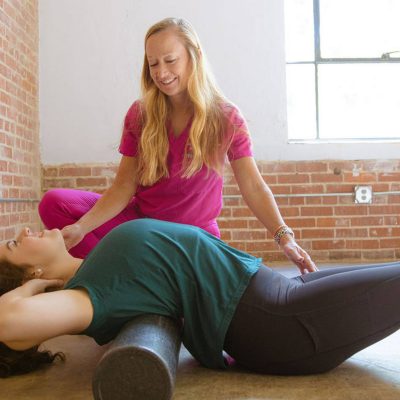
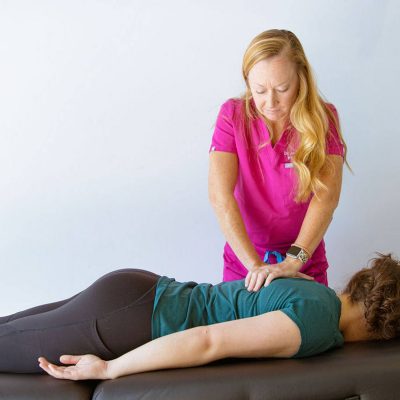
Pelvic health physical and occupational therapists evaluate how your daily habits, posture, movement patterns, and muscle coordination contribute to your symptoms.
Treatment may include:
- Pelvic floor muscle assessment
- Postural education
- Hip mobility exercises
- Core strengthening
- Breathing retraining
- Ergonomic recommendations
- Manual therapy
- Bladder and bowel education
- Individualized home exercise programs
The goal isn’t simply to help you sit “perfectly.” It’s to help your body tolerate daily activities more comfortably through improved movement and muscle coordination.
Simple Strategies to Try During the Workday
If you spend much of your day sitting, consider:
- Standing or walking for a few minutes every 30–60 minutes.
- Changing positions frequently instead of staying perfectly still.
- Drinking water consistently throughout the day.
- Avoiding prolonged delays when you need to use the restroom.
- Performing gentle hip and trunk mobility exercises during breaks.
- Practicing diaphragmatic breathing while seated.
Small, consistent changes often have a greater impact than occasional large efforts.
The Takeaway
Sitting itself isn’t harmful—but sitting for prolonged periods without movement can contribute to pelvic floor dysfunction, especially when combined with poor posture, stress, limited mobility, or constipation.
Whether you’re experiencing pelvic pain, urinary urgency, constipation, or tailbone discomfort, pelvic health physical and occupational therapy can help identify how your daily routines may be contributing to your symptoms.
By improving movement, breathing, posture, and pelvic floor coordination, you can often reduce discomfort and feel better throughout your workday and beyond.
Sometimes the most powerful treatment isn’t avoiding sitting altogether—it’s learning how to support your body while balancing periods of sitting with healthy movement.