When most people hear the words “pelvic floor,” they immediately think of Kegel exercises or urinary leakage.
But here’s a question we often ask our patients:
What does a healthy pelvic floor actually feel like?
The answer surprises many people.
A healthy pelvic floor isn’t something you should constantly notice.
You shouldn’t have to think about it every time you laugh, exercise, use the bathroom, or go about your day.
Instead, a healthy pelvic floor quietly does its job in the background—supporting your body, coordinating with your breathing, and responding automatically to movement.
Your Pelvic Floor Should Be Flexible
Many people assume the pelvic floor should stay tight and engaged all the time.
In reality, healthy muscles know when to contract—and just as importantly—when to relax.
Your pelvic floor should be able to:
- Contract when support is needed.
- Relax during urination and bowel movements.
- Lengthen during breathing.
- Adapt during exercise.
- Respond automatically without conscious effort.
Healthy muscles are flexible and responsive, not constantly tense.
What Healthy Bladder Function Feels Like
A healthy bladder typically allows you to:
- Void about 5–8 times during the day.
- Sleep through most nights without frequent urination.
- Delay urination comfortably when appropriate.
- Empty your bladder without straining.
- Exercise without leaking urine.
Occasional changes happen with illness, increased fluid intake, or certain medications, but persistent symptoms deserve attention.
What Healthy Bowel Function Feels Like
Healthy bowel habits generally include:
- Regular bowel movements.
- Minimal straining.
- Complete emptying.
- Soft, well-formed stool.
- No pain during bowel movements.
Constipation, urgency, or frequent straining are not simply “normal parts of getting older.”
What Healthy Movement Feels Like
Your pelvic floor should support your body during:
- Walking
- Lifting
- Running
- Strength training
- Coughing
- Sneezing
- Laughing
Without:
- Leakage
- Pelvic heaviness
- Pain
- Bulging
- Pressure
You shouldn’t feel like you constantly have to brace or squeeze your pelvic floor to get through everyday activities.
What Healthy Intimacy Feels Like
Pelvic floor function also influences sexual health.
Healthy pelvic floor muscles allow for:
- Comfortable intimacy
- Appropriate muscle relaxation
- Healthy blood flow
- Normal sensation
- Coordination during sexual activity
Pain is never something you should simply “learn to live with.”
What Doesn’t Feel Normal?
Many people normalize symptoms because they develop gradually.
Common signs of pelvic floor dysfunction include:
- Urinary leakage
- Pelvic pressure
- Constipation
- Pain with intimacy
- Tailbone pain
- Persistent hip or groin pain
- Difficulty emptying the bladder
- Feeling like you always need to urinate
- Pain when sitting
These symptoms are common—but they are not necessarily normal.
How Pelvic Health PT and OT Can Help
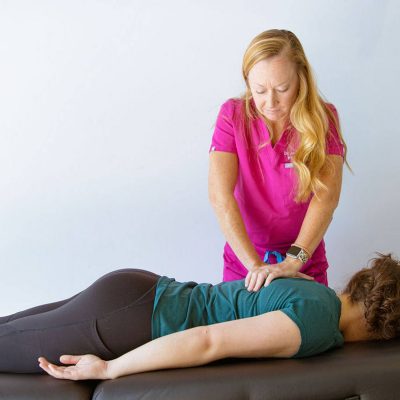
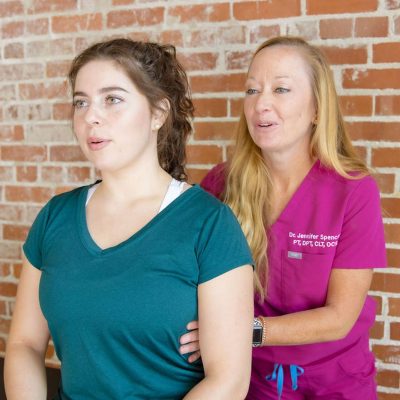
Pelvic health physical and occupational therapists evaluate how your pelvic floor functions as part of your entire movement system.
Treatment may address:
- Muscle coordination
- Strength
- Relaxation
- Breathing mechanics
- Core function
- Bladder and bowel habits
- Functional movement
- Return to exercise
The goal isn’t simply to make your pelvic floor stronger.
It’s to help it function efficiently during everything you do.
The Takeaway
A healthy pelvic floor isn’t something you should constantly feel.
It should quietly support your bladder, bowel, sexual function, posture, and movement without causing pain, pressure, or limiting your activities.
If you’re regularly thinking about your pelvic floor because of discomfort or symptoms, your body may be telling you that something needs attention.
Pelvic health physical and occupational therapy can help identify the cause and restore the balance between strength, mobility, coordination, and relaxation—so your pelvic floor can go back to doing what it was designed to do.