Chronic testicular pain can be frustrating, confusing, and sometimes isolating. Many men undergo multiple medical evaluations, imaging studies, and laboratory tests only to be told that everything appears “normal.” Yet the pain persists.
If this sounds familiar, you’re not alone.
While chronic testicular pain can certainly be caused by conditions that require medical treatment, there are many men whose symptoms are actually related to the muscles, nerves, and connective tissues of the pelvis. In these cases, pelvic health physical and occupational therapy may play an important role in recovery.
Understanding how the pelvic floor influences pain can help explain why symptoms continue—and more importantly, what can be done to help.
What Is Chronic Testicular Pain?
Chronic testicular pain, sometimes called chronic orchialgia, refers to pain in one or both testicles that lasts for at least three months.
The discomfort may be:
- Aching
- Sharp
- Burning
- Pulling
- Heavy
- Intermittent or constant
Some men experience pain only during certain activities, while others notice symptoms throughout the day.
Pain may worsen with:
- Sitting for long periods
- Exercise
- Heavy lifting
- Sexual activity
- Ejaculation
- Stress
- Bowel movements
Because symptoms vary so much from person to person, identifying the underlying cause often requires a comprehensive evaluation.
Medical Causes Should Always Be Ruled Out First
Testicular pain should always be evaluated by a healthcare provider to rule out conditions that require prompt medical treatment.
These may include:
- Testicular torsion
- Infection
- Hernia
- Kidney stones
- Varicocele
- Hydrocele
- Tumors
- Other urological conditions
Once serious medical causes have been excluded, attention often shifts toward musculoskeletal contributors—including the pelvic floor.
How Can the Pelvic Floor Cause Testicular Pain?
The pelvic floor is a group of muscles located at the base of the pelvis that support the bladder, bowel, and reproductive organs.
These muscles also work closely with several nerves that provide sensation to the scrotum, penis, groin, and perineum.
When the pelvic floor becomes tight, overactive, or irritated, it can refer pain into surrounding areas—including the testicles.
In other words, the pain you feel in the testicle may actually be originating from muscles or nerves elsewhere in the pelvis.
The Role of Nerves
Several important nerves travel through the pelvis, including the:
- Pudendal nerve
- Genitofemoral nerve
- Ilioinguinal nerve
- Iliohypogastric nerve
These nerves provide sensation throughout the pelvis, groin, and genital region.
If muscles surrounding these nerves become tight or irritated, symptoms may include:
- Testicular pain
- Groin pain
- Burning sensations
- Perineal discomfort
- Penile pain
- Pain with sitting
A pelvic health therapist evaluates how these nerves interact with surrounding muscles and movement patterns.
It’s Not Always About the Testicle
One of the most surprising things patients learn is that pain doesn’t always originate where it’s felt.
The brain sometimes interprets signals from one area as coming from another.
For example, trigger points within the pelvic floor or nearby hip muscles may create pain that feels as though it is coming directly from the testicle.
This phenomenon is called referred pain, and it is relatively common in pelvic health.
Other Symptoms That May Occur
Men with pelvic floor-related testicular pain may also experience:
- Urinary urgency or frequency
- Difficulty starting urination
- Constipation
- Pain with ejaculation
- Erectile dysfunction
- Pelvic pressure
- Tailbone pain
- Hip or groin discomfort
- Lower abdominal pain
Recognizing these associated symptoms often helps identify the pelvic floor as a contributing factor.
Stress and the Pelvic Floor
Many men notice that their symptoms become worse during stressful periods.
This is not a coincidence.
Just as stress can lead to tight shoulders or jaw clenching, it can also increase pelvic floor muscle tension.
Over time, persistent muscle guarding may contribute to pain, nerve irritation, and altered movement patterns.
Addressing both the muscular and nervous system components of chronic pain is often an important part of successful treatment.
How Pelvic Health PT and OT Can Help
Pelvic health physical and occupational therapists evaluate much more than the painful area itself.
Your evaluation may include:
- Pelvic floor muscle assessment
- Hip and core strength
- Breathing mechanics
- Posture and movement patterns
- Nerve mobility
- Scar tissue or previous surgical history
- Bladder and bowel habits
- Functional activities that reproduce symptoms
Treatment is individualized and may include:
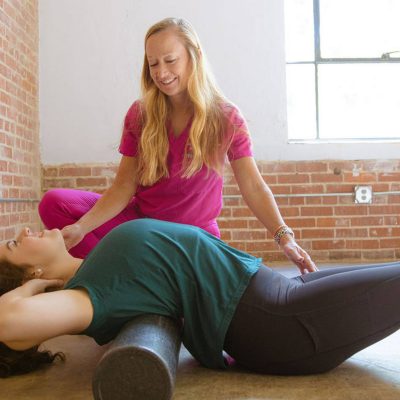
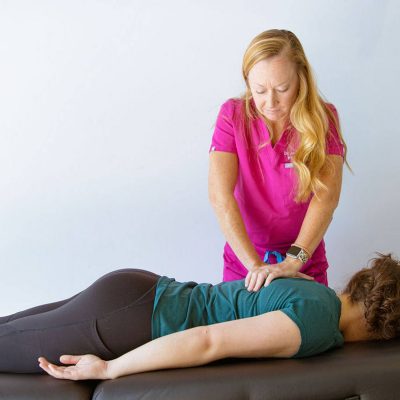
- Gentle manual therapy
- Pelvic floor muscle relaxation
- Breathing and pressure management
- Hip and core strengthening
- Nerve mobility techniques
- Stretching and mobility exercises
- Pain neuroscience education
- Home exercise progression
The goal is not simply to reduce pain, but to restore normal movement and function so you can return to work, exercise, intimacy, and everyday life with greater comfort.
When Should You Seek Pelvic Health Therapy?
Consider speaking with your healthcare provider about a referral if:
- Medical testing has not identified a clear cause for your pain.
- Your symptoms have lasted longer than three months.
- Pain increases with sitting, lifting, or exercise.
- You also have bladder, bowel, or sexual symptoms.
- The pain continues to interfere with your daily life.
Early treatment often leads to better outcomes and can help prevent chronic pain patterns from becoming more established.
The Takeaway
Chronic testicular pain is real, and it deserves careful evaluation. While it’s essential to rule out medical causes first, many men experience persistent pain that is related to the pelvic floor muscles, surrounding nerves, and movement patterns rather than the testicle itself.
Pelvic health physical and occupational therapy offers a comprehensive approach to identifying these underlying contributors and developing an individualized treatment plan. By addressing the entire system—not just the area where the pain is felt—many men are able to reduce symptoms, improve function, and regain confidence in their daily lives.
If you’ve been told that everything looks “normal” but you’re still living with pain, know that there may be another piece of the puzzle worth exploring.