As men get older, changes in bladder, bowel, sexual, and physical function are often dismissed as an inevitable part of aging.
It’s common to hear phrases like:
- “That’s just what happens when you get older.”
- “My dad dealt with it too.”
- “It’s annoying, but I guess it’s normal.”
While aging does bring natural changes to the body, many symptoms that men experience are not simply something they have to accept. In fact, issues such as urinary leakage, pelvic pain, erectile dysfunction, constipation, or difficulty exercising may be signs of pelvic floor dysfunction that can often be improved with appropriate treatment.
Understanding the difference between what is expected with aging and what may warrant further evaluation can help men stay active, healthy, and confident throughout their lives.
Understanding the Male Pelvic Floor
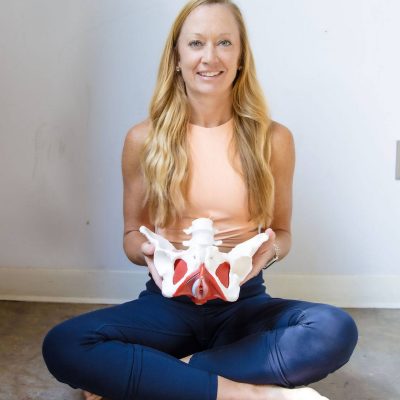
The pelvic floor is a group of muscles that sits at the bottom of the pelvis and plays an important role in:
- Bladder control
- Bowel function
- Sexual function
- Core stability
- Pressure management during movement and exercise
Just like any other muscle group in the body, the pelvic floor can become weak, overactive, uncoordinated, or affected by injury, surgery, or changes in overall health.
As men age, maintaining healthy pelvic floor function becomes increasingly important.
Urinary Changes: What’s Common vs. What’s Normal?
Many men notice changes in their urinary habits as they get older.
Common changes may include:
- Getting up once during the night to urinate
- Slightly decreased bladder capacity
- Longer time needed to completely empty the bladder
However, some symptoms should not simply be written off as aging.
These include:
- Urinary leakage
- Strong urinary urgency
- Frequent urination that disrupts daily life
- Difficulty starting urination
- Feeling unable to empty completely
- Recurrent urinary tract infections
While the prostate often plays a role in urinary symptoms, it is not always the entire story. Pelvic floor muscle dysfunction, breathing patterns, bowel habits, and nervous system factors can all contribute to bladder symptoms.
Sexual Function Changes With Age
Many men experience some changes in sexual function over time.
Normal age-related changes may include:
- Longer recovery periods between erections
- Longer time needed to achieve arousal
- Changes in sexual response
However, symptoms such as:
- Erectile dysfunction
- Pain with erections
- Pain with ejaculation
- Pelvic pain during intimacy
- Significant loss of confidence related to sexual function
deserve attention and evaluation.
Sexual function depends on healthy communication between muscles, nerves, blood vessels, hormones, and the brain. Pelvic floor dysfunction can influence all of these systems.
In some cases, overly tense pelvic floor muscles can contribute to erectile difficulties or pelvic pain. In others, weakness, poor coordination, or post-surgical changes may be factors.
The good news is that treatment options often extend beyond medications alone.
Bowel Habits Matter More Than You Think
Many men are surprised to learn that bowel health and pelvic health are closely connected.
Constipation becomes more common with age and may be influenced by:
- Reduced activity levels
- Medications
- Dietary changes
- Chronic health conditions
- Pelvic floor dysfunction
Signs that something more than “normal aging” may be occurring include:
- Straining during bowel movements
- Feeling incompletely emptied
- Going several days without a bowel movement
- Needing excessive time on the toilet
- Rectal discomfort or pressure
The pelvic floor muscles must relax and coordinate appropriately for healthy bowel movements. If they do not, constipation can persist despite adequate fiber and hydration.
Staying Active and Exercising Safely
One of the best things men can do for their long-term health is continue exercising as they age.
Strength training, walking, cycling, swimming, and other forms of exercise can improve:
- Muscle mass
- Bone density
- Balance
- Cardiovascular health
- Overall quality of life
However, some men begin avoiding exercise because of:
- Urinary leakage
- Pelvic pressure
- Back pain
- Fear of injury
- Hernias or abdominal weakness
These symptoms should not automatically be viewed as unavoidable consequences of aging.
Often, addressing breathing mechanics, pressure management, core coordination, and pelvic floor function allows individuals to return to activities they enjoy with greater comfort and confidence.
When to Seek Help
Many men wait years before discussing pelvic health symptoms with a healthcare provider.
Consider seeking evaluation if you experience:
- Urinary leakage
- Persistent urinary urgency or frequency
- Pelvic pain
- Erectile dysfunction
- Pain with ejaculation
- Chronic constipation
- Tailbone, groin, or testicular pain
- Difficulty returning to exercise
- Symptoms that interfere with daily life
The earlier symptoms are addressed, the easier they are often to manage.
How Pelvic Health Therapy Can Help
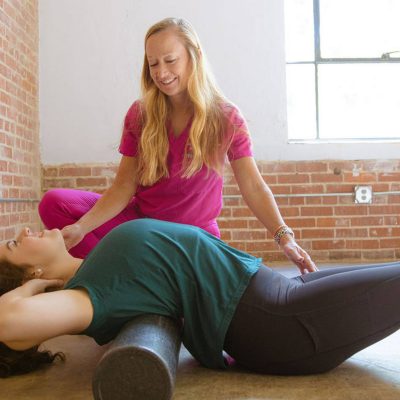
Pelvic health physical and occupational therapists evaluate how the pelvic floor, core, hips, breathing system, and nervous system work together.
Treatment may include:
- Pelvic floor muscle assessment
- Bladder retraining
- Bowel management strategies
- Breathing and pressure management
- Core strengthening
- Exercise modification
- Pain management techniques
- Education on healthy aging and activity progression
The goal is not simply symptom reduction. It is helping individuals maintain independence, confidence, and quality of life.
The Takeaway
Growing older does not automatically mean accepting urinary leakage, constipation, pelvic pain, sexual dysfunction, or limitations in exercise.
While some changes occur naturally with age, many pelvic health symptoms are treatable and should not be dismissed as “just getting older.”
The pelvic floor plays an important role in bladder, bowel, sexual, and physical function throughout life. If symptoms are affecting your daily activities or quality of life, pelvic health therapy may help identify the underlying causes and provide practical solutions.
Healthy aging is about more than simply living longer—it’s about maintaining the ability to move, function, and participate in the activities that matter most to you.