For many women, a hysterectomy can be a life-changing procedure that provides relief from symptoms such as fibroids, endometriosis, heavy bleeding, chronic pelvic pain, or certain cancers. While recovery often focuses on healing the surgical site and returning to daily activities, many women are surprised to experience new symptoms months—or even years—after surgery.
These symptoms may include:
- Urinary leakage
- Urinary urgency or frequency
- Pelvic pressure or heaviness
- Constipation
- Pain with intimacy
- Lower abdominal discomfort
- Low back or hip pain
- Feelings of weakness or instability
If you’ve noticed changes in your body after a hysterectomy, you’re not alone. Pelvic floor dysfunction is relatively common after pelvic surgery, and understanding why it occurs can help you find effective treatment and regain confidence in your body.
How a Hysterectomy Can Affect the Pelvic Floor
A hysterectomy involves the removal of the uterus and may be performed through an abdominal, vaginal, laparoscopic, or robotic-assisted approach. Depending on the reason for surgery, additional structures such as the cervix, ovaries, or fallopian tubes may also be removed.
While the surgery itself can be incredibly beneficial, it also creates changes within the pelvis.
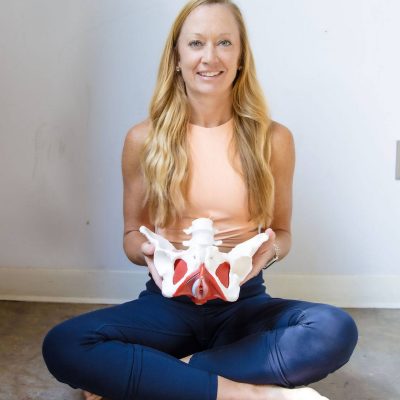
The pelvic floor is connected to a complex system of:
- Muscles
- Ligaments
- Fascia (connective tissue)
- Nerves
- Abdominal structures
When surgery occurs, these tissues must heal and adapt. As a result, some individuals develop changes in muscle coordination, mobility, strength, or pressure management that contribute to ongoing symptoms.
Scar Tissue and Mobility Restrictions
One of the most common issues we address in pelvic health therapy after hysterectomy is scar tissue.
Scar tissue is a normal part of healing, but sometimes it can limit mobility between tissues that need to glide smoothly during movement.
Restricted scar tissue may contribute to:
- Abdominal tightness
- Pelvic discomfort
- Pain with movement
- Core weakness
- Feelings of pulling or tension
Many patients describe a sensation that their abdomen “doesn’t move the same” after surgery, even when the incision appears fully healed.
Changes in Core Function
The abdominal wall, diaphragm, pelvic floor, and deep core muscles work together as a team to manage pressure during daily activities.
After surgery, this system can become disrupted.
Patients may notice:
- Difficulty engaging their core
- Weakness during exercise
- Low back discomfort
- Increased pressure with lifting
- Reduced endurance
Without appropriate rehabilitation, compensatory movement patterns may develop that place additional stress on the pelvic floor.
Urinary Symptoms After Hysterectomy
Some women experience changes in bladder function after surgery.
Symptoms may include:
- Leakage with coughing or exercise
- Increased urinary urgency
- Frequent trips to the bathroom
- Difficulty emptying the bladder completely
This does not necessarily mean something went wrong during surgery.
Instead, changes in tissue support, muscle coordination, and pressure management can influence how the bladder and pelvic floor function together.
The encouraging news is that many of these symptoms respond well to pelvic health therapy.
Pelvic Pressure and Prolapse Concerns
Many women worry about prolapse after hysterectomy.
Pelvic organ prolapse occurs when pelvic organs descend and create feelings of:
- Pressure
- Heaviness
- Bulging
- Vaginal fullness
Although not everyone develops prolapse after hysterectomy, changes in support structures can influence how pressure is distributed throughout the pelvis.
It’s important to remember that experiencing pressure does not automatically mean significant prolapse is present. A comprehensive evaluation can help determine what is contributing to your symptoms and identify appropriate treatment options.
Pain with Intimacy
Pain during intimacy is another concern that can arise following pelvic surgery.
Potential contributors include:
- Pelvic floor muscle tension
- Scar tissue restrictions
- Nervous system sensitivity
- Hormonal changes
- Fear or guarding related to pain
Because these factors often overlap, successful treatment frequently requires a comprehensive approach that addresses more than just the surgical site itself.
Exercise After Hysterectomy
Many women are eager to return to exercise after surgery but are unsure where to start.
One common misconception is that once surgical restrictions are lifted, the body is fully recovered.
In reality, tissue healing continues for months after surgery. Progressing too quickly can contribute to:
- Pelvic pressure
- Leakage
- Pain
- Core dysfunction
A gradual return to activity that emphasizes breathing, pressure management, strength, and movement quality often leads to better long-term outcomes.
How Pelvic Health Therapy Can Help
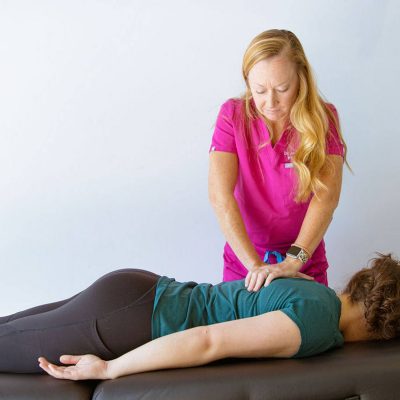
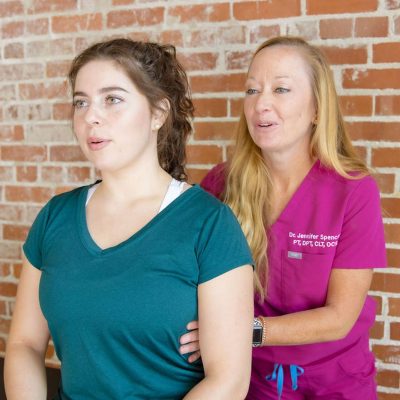
Pelvic health physical and occupational therapists are uniquely trained to evaluate how surgery has affected the entire pelvic system.
Treatment may include:
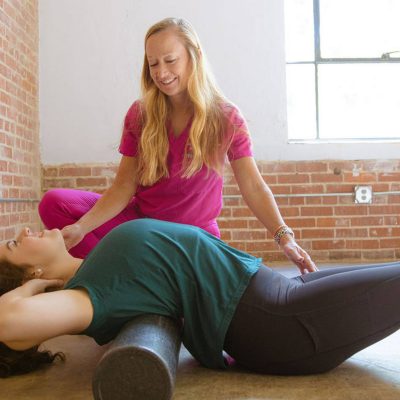
- Scar tissue mobilization
- Pelvic floor muscle assessment
- Breathing and pressure management training
- Core strengthening and coordination
- Bladder and bowel retraining
- Exercise progression
- Education on lifting and daily activities
- Pain management strategies
The goal is not only to reduce symptoms but also to help patients return to the activities that matter most to them.
The Takeaway
A hysterectomy can provide tremendous relief from the symptoms that led to surgery, but it can also create changes in the muscles, connective tissues, nerves, and support systems of the pelvis.
If you’re experiencing urinary symptoms, pelvic pressure, pain, constipation, or difficulty returning to exercise after a hysterectomy, know that these concerns are common—and often treatable.
Pelvic health therapy can help address the underlying factors contributing to your symptoms, improve function, and support your recovery long after the initial healing period has passed.
Your surgery may be behind you, but your rehabilitation journey doesn’t have to stop there. With the right support, many women are able to move more comfortably, return to meaningful activities, and feel confident in their bodies again.