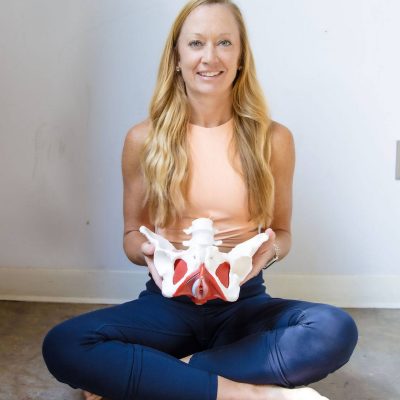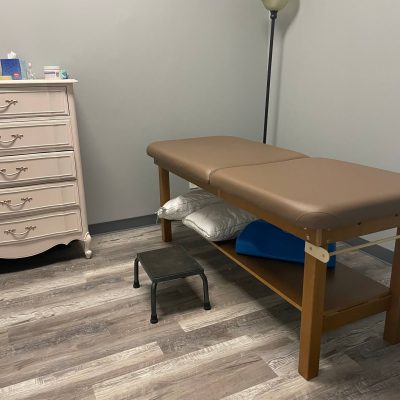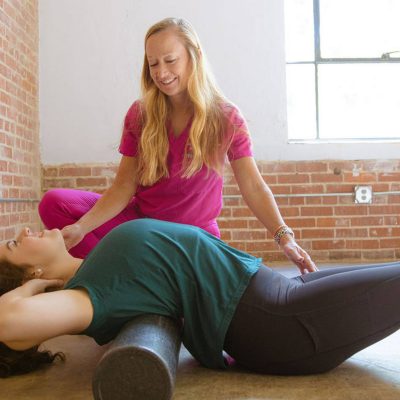
Pregnancy is one of the most transformative times in a woman’s life. As your body changes to support your growing baby, your pelvic floor muscles work harder than ever. These muscles support your bladder, uterus, and bowels and play a crucial role in pregnancy comfort, labor, and postpartum recovery. Pelvic Floor Physical/Occupational Therapy can help you stay comfortable during pregnancy, prepare your body for delivery, and promote faster healing after birth.
Pelvic Pain in Pregnancy: Why It Happens and How PF PT/OT Helps
Pelvic and low back pain are common during pregnancy, but they’re not something you just have to “live with.” As hormones like relaxin loosen ligaments and joints, your posture changes and pressure can build through the pelvis. This can lead to pain around the pubic bone, tailbone, hips, or groin.
A pelvic floor physical therapist can help you:
- Identify whether the pain is coming from muscle tension, joint instability, or posture changes.
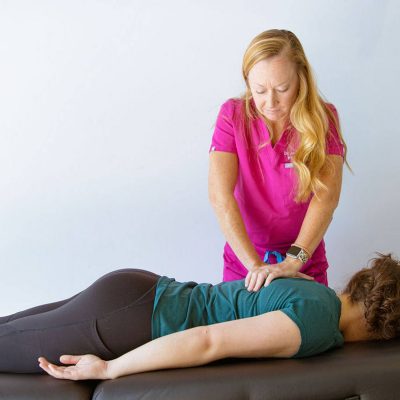
- Use gentle hands-on techniques and specific exercises to relieve tightness and improve alignment.
- Teach safe movement strategies to protect your pelvis in daily activities.
By addressing pain early, pelvic floor PT/OT helps you move more freely, sleep better, and feel stronger throughout your pregnancy.
Labor Positions That Protect Your Pelvic Floor
One of the most empowering parts of working with a pelvic floor therapist during pregnancy is learning how labor positions can impact your comfort and musculature. Pelvic floor PT/OT helps support your labor experience and help you explore alternative labor positions that open the pelvis, improve mobility, and allow tissues to stretch more gently.
Research supports several positions that may reduce tearing and improve delivery comfort:
- Side-lying: Slows the baby’s descent and allows gradual stretching of tissues.
- Hands-and-knees: Allows for optimal pushing mechanics.
- Supported squat or kneeling: Opens the pelvis and uses gravity effectively.
- Semi-reclined upright: A good option for those using an epidural or needing more support.
During PF PT/OT sessions, you can practice these positions safely, strengthen the supporting muscles, and learn how to coordinate your breathing and pelvic floor relaxation for smoother delivery.
Perineal Massage: Reducing the Risk of Tearing
In the final weeks of pregnancy (usually around 34 weeks and beyond), your pelvic floor therapist may teach you how to perform perineal massage. This gentle technique helps increase flexibility and awareness of the tissues surrounding the vaginal opening.
By gradually stretching and mobilizing these tissues, perineal massage may:
- Improve elasticity of the perineum
- Help you learn to relax those muscles during pushing
- Reduce the risk of perineal tearing or the need for an episiotomy
Your therapist can guide you on safe techniques, positioning, and frequency, ensuring you feel comfortable and confident performing the massage at home.
Beyond Birth: The Benefits Continue
The benefits of pelvic floor PT/OT don’t stop once the baby arrives. Working with a pelvic floor therapist after birth can help:
- Restore core and pelvic floor strength
- Reduce urinary leakage or heaviness
- Relieve scar tissue discomfort after tearing or C-section
- Support a safe return to exercise and intimacy
Takeaway
Your pelvic floor deserves as much care and attention as any other part of your body during pregnancy. Pelvic floor physical/occupational therapy helps you:
- Ease pelvic pain
- Prepare for labor with confidence
- Reduce the risk of tearing
- Recover more smoothly postpartum
Every pregnancy and body is different. Pelvic floor PT/OT offers a personalized approach to help you feel informed, empowered, and supported through every stage of your journey.