Have you ever felt like you constantly need to use the bathroom, only to go and realize nothing really changes? Or maybe you’ve been told your urine test is “normal,” yet you still feel that deep, aching pressure in your bladder or pelvis. If this sounds familiar, you might be dealing with Interstitial Cystitis (IC), also known as Painful Bladder Syndrome, and I want you to know that you’re not alone, and it’s not “all in your head.” IC is a chronic condition that causes pain, pressure, or discomfort in the bladder and pelvic region. The bladder may feel inflamed, irritated, or “full” even when it isn’t. Unlike urinary tract infection, IC isn’t caused by bacteria, so antibiotics don’t help. Symptoms may come and go, with flare-ups triggered by certain foods, stress, tight clothing, or even hormonal changes. It can interfere with sleep, intimacy, work, and even the simple act of enjoying a meal or leaving the house. For many, it’s a condition that can take years to be diagnosed and even longer to find the right kind of help.
Common symptoms include:
- A constant urge to urinate, even right after going
- Frequent urination (sometimes more than 20 times a day)
- Pain or pressure in the lower abdomen, pelvis, or urethra
- Burning or aching sensations in the bladder region
- Pain during or after sexual activity
- Sleep disturbances due to nighttime urgency
The good news? There is help. Understanding what’s happening in your body is the first step toward healing.
Why Does IC Happen?
The exact cause of IC isn’t fully understood, but we know it often involves several overlapping factors:
- Bladder lining dysfunction: The bladder wall is lined with a protective layer. When that barrier becomes “leaky,” irritating substances in urine can penetrate deeper layers and trigger pain.
- Pelvic floor dysfunction: Chronic guarding or tightening of the pelvic floor muscles can compress nerves, reduce blood flow, and worsen bladder symptoms.
- Nerve hypersensitivity: The nerves that send messages between your bladder and brain can become overactive, leading to exaggerated pain and urgency signals.
- Inflammation and immune responses: Some individuals with IC show inflammatory markers or mast cell activation, suggesting the immune system may play a role.
- Stress and the nervous system: The bladder and pelvic floor are deeply connected to our “fight or flight” response. Ongoing stress can heighten muscle tension and amplify pain perception.
IC isn’t just a bladder problem; it’s a whole-body condition influenced by muscles, nerves, inflammation, and emotional stress. That’s why treatment needs to be holistic and individualized.
How Pelvic Floor Physical and Occupational Therapy Can Help
This is where pelvic health PT/OT can make a powerful difference. Many people with IC unknowingly develop chronic pelvic floor tension as the body’s way of “protecting” itself from pain. Unfortunately, this guarding response can backfire, and tight, overactive muscles can compress nerves, restrict circulation, and irritate the bladder even more.
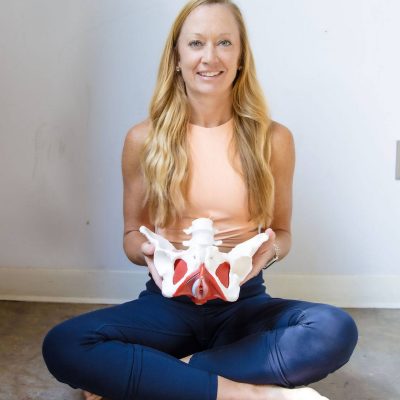
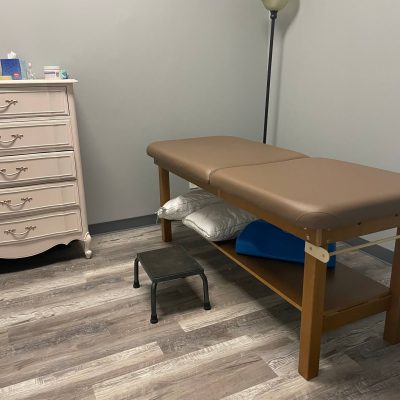
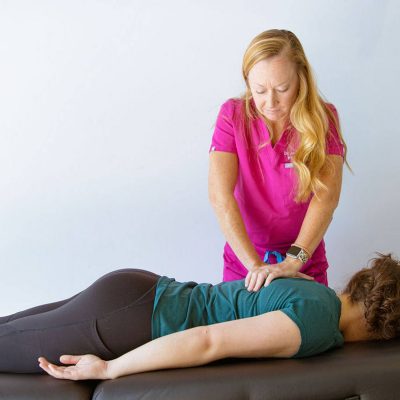
A pelvic floor physical/occupational therapist can help by assessing how your muscles, nerves, posture, and breathing patterns are contributing to your symptoms. Treatment often includes:
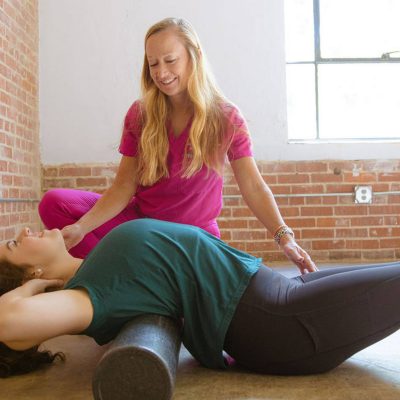
- Gentle internal and external manual therapy:to release tight pelvic floor muscles, fascia, and trigger points that refer pain to the bladder, abdomen, or low back.
- Myofascial release and soft tissue mobilization:targeting restrictions in the abdomen, hips, and thighs that can impact bladder function.
- Nervous system regulation:using breathwork, mindfulness, and graded relaxation to calm pain signals.
- Bladder retraining techniques:to help reduce frequency and restore normal bladder capacity.
- Education and lifestyle coaching:to identify bladder irritants, improve hydration habits, and modify activities that aggravate symptoms.
Research supports pelvic physical therapy as one of the most effective non-surgical, first-line treatments for IC, particularly for patients with pelvic muscle involvement.
Small Steps That Make a Big Difference
Living with IC can be unpredictable, but small, consistent habits often make a noticeable impact. A few things that may help include:
- Identifying and reducing your unique bladder irritants
- Staying hydrated: concentrated urine can worsen irritation
- Practicing diaphragmatic breathing or gentle yoga to release pelvic tension
- Avoiding “just in case” bathroom trips to retrain bladder capacity
- Taking time to slow down and de-stress: stress truly affects bladder sensitivity
Many people with IC find that diet plays a major role in managing their symptoms. While there’s no universal “IC diet,” some foods tend to irritate the bladder, while others are more soothing. Common bladder irritants include coffee, alcohol, citrus, tomatoes, spicy foods, and artificial sweeteners. These don’t bother everyone, but keeping a food and symptom journal can help you identify what affects you personally. The goal isn’t restriction; it’s finding what nourishes you without causing discomfort. Small changes, like switching to herbal tea or using a low-acid sauce, can make a big difference.
You Deserve Relief and It’s Possible
If you’ve been living with bladder pain, urgency, or pelvic discomfort, please know that there is hope. With the right support, many people experience significant improvements in their symptoms and regain their quality of life. A pelvic floor physical/occupational therapist can help uncover what’s contributing to your pain and create a plan designed just for you one that focuses on restoring comfort, confidence, and control. You don’t have to navigate IC alone. Healing is possible and it starts with understanding your body, getting the right help, and taking the first small step toward relief. If you suspect you might have IC or have been diagnosed and are looking for real solutions, pelvic floor physical/occupational therapy can help. At Magic City Physical Therapy, we specialize in pelvic health and bladder pain conditions, offering individualized care plans that address the root cause, not just the symptoms. Our goal is to help you find comfort, confidence, and control again. Reach out today to schedule a consultation and take the first step toward relief. You don’t have to navigate IC alone. Healing starts here.