For many families, bedwetting (or nocturnal enuresis) can feel confusing and discouraging. Parents may wonder if their child is being lazy, inattentive, or defiant. Kids often feel embarrassed, ashamed, or anxious—especially when they’ve “tried everything” but still wake up wet.
Here’s the truth: bedwetting is not a behavior problem. It’s not caused by laziness or lack of effort. It’s a physiological issue involving the bladder, bowels, nervous system, and sleep. When these systems don’t communicate well with each other, nighttime dryness becomes difficult—no matter how motivated a child may be.
As a pediatric pelvic floor physical therapist, I often tell families that most kids who wet the bed want to stay dry. Our job is to help their body and brain work together to make that possible.
Why Bedwetting Happens: It’s More Than Just Deep Sleep
Bedwetting typically happens when there’s a mismatch between bladder capacity, urine production overnight, and how well the brain recognizes bladder signals during sleep. But often, there’s more to the story.
Two of the most overlooked contributors are:
- Constipation
- Stress and nervous system imbalance
Understanding how these factors interact can completely change how we approach treatment—and reduce frustration for both kids and parents.
Constipation: The Hidden Driver of Bedwetting
If your child struggles with bedwetting, constipation is one of the first things to address. Even if your child has daily bowel movements, there may still be stool retention—especially if they strain, stool is hard, or they don’t fully empty.
When the rectum stays partially full, it presses against the bladder. This pressure reduces the bladder’s ability to expand and hold urine overnight. Constipation also interferes with the nerves shared between the bladder and bowel, confusing the body’s signaling system.
Common signs that constipation might be contributing include:
- Large or infrequent bowel movements
- Hard stools (Bristol Stool Chart types 1–3)
- Skid marks in underwear
- Complaints of tummy pain or fullness
- A child who avoids or fears using the toilet
When constipation is treated—through hydration, fiber, proper toilet posture, and sometimes gentle pelvic floor relaxation—bedwetting often improves significantly, even without other interventions.
In pelvic floor physical therapy, we help families identify healthy stool patterns, practice optimal toileting posture, and retrain the pelvic muscles that control both urination and bowel movements.
Stress, Emotions, and the Nervous System Connection
Another key factor is stress—both physical and emotional.
Children’s nervous systems are highly responsive. When they feel anxious, overwhelmed, or overstimulated, their bodies shift into a “fight-or-flight” mode. In this state, the bladder and pelvic floor muscles can become tight and uncoordinated, and communication between the bladder and brain can become less effective.
This is one reason why bedwetting often worsens during transitions—starting a new school year, family changes, or after illness. It’s also why punishment, shame, or pressure to “try harder” can make things worse.
When stress plays a role, treatment should focus on calming the body and restoring balance, rather than increasing discipline or control.
Supporting the Nervous System for Nighttime Dryness
Helping your child’s body feel safe and relaxed is one of the most effective ways to support bladder control. Some helpful strategies include:
- Consistent routines: Predictable bedtime and wake-up times help regulate the body’s natural rhythms.
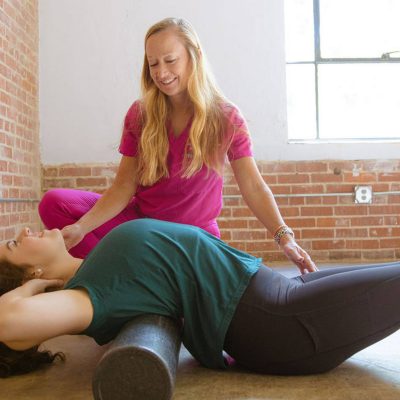
- Gentle movement before bed: Stretching, yoga, or belly breathing can help release pelvic tension and signal relaxation.
- Deep breathing exercises: Teaching children how to take slow, low breaths into their belly helps activate the calming (“rest and digest”) nervous system.
- Positive reinforcement: Focus on effort and body awareness, not just dry nights. Encouragement helps the nervous system feel supported, not threatened.
- Avoiding stress around the issue: Frame bedwetting as something their body is still learning—not something they’re failing to do.
When the nervous system feels calm, bladder communication improves—and the child’s ability to wake or hold overnight strengthens naturally.
How Pediatric Pelvic Floor Therapy Helps
A pediatric pelvic floor physical therapist looks at the whole picture—not just the bladder. Evaluation includes bowel habits, posture, breathing, muscle coordination, and nervous system patterns.
Treatment may include:
- Education about healthy bladder and bowel habits
- Pelvic floor relaxation and coordination exercises
- Breathwork to improve diaphragm and pelvic floor connection
- Gentle core and posture retraining to reduce pelvic pressure
- Emotional regulation tools and parent coaching
By helping your child reconnect with their body and improve how their bladder, bowel, and nervous system communicate, we can create a long-term solution—not just a temporary fix.
The Takeaway
Bedwetting is common, but it’s not “just a phase” or a “bad habit.” It’s your child’s body asking for balance—between the bladder, bowel, and nervous system.
By addressing constipation, supporting stress regulation, and approaching the issue with empathy instead of frustration, families can help children gain the confidence and control they deserve.
And remember: progress happens when the body feels safe enough to learn. With the right support, most children achieve dryness—and peace of mind—for good.