Many people assume that if they delivered by caesarean section, they’ve been “spared” from pelvic floor problems like prolapse, incontinence, or painful intercourse. After all, if the baby didn’t pass through the vaginal canal, how could the pelvic floor be affected—right?
The reality is more complex. Pelvic floor dysfunction is common even after C-section, and many new mothers are surprised to find themselves dealing with pelvic pain, pressure, or sexual discomfort despite not having a vaginal delivery.
As pelvic health physical therapists, we see this every day—and the good news is that with the right care, these symptoms are both treatable and preventable.
Why Pelvic Floor Symptoms Can Happen After a C-Section
The pelvic floor and core system work together as a dynamic unit, supporting your organs, stabilizing your spine, and coordinating with your breath. During pregnancy, that system undergoes tremendous changes—regardless of delivery type.
Here’s why even a C-section can lead to pelvic floor dysfunction:
- Pregnancy Itself Loads the Pelvic Floor
For nine months, your pelvic floor supports the growing uterus, increased intra-abdominal pressure, and hormonal changes that soften connective tissues. The pelvic muscles often become overstretched, tense, or fatigued from this sustained load—long before labor even begins.
- Surgical Delivery Impacts Core and Nerve Function
A caesarean section involves incisions through the abdominal wall and uterus, which can disrupt:
- Core muscle activation (especially the lower abdominals and transverse abdominis)
- Scar tissue mobility, creating pulling sensations through the abdomen, hips, or pelvic region
- Nerve sensitivity near the incision (numbness, tingling, or hypersensitivity)
When these tissues are tight or restricted, the pelvic floor often compensates by holding unnecessary tension.
- Breathing and Movement Patterns Change Post-Surgery
Pain, guarding, and posture changes after surgery can alter how you breathe and move. Shallow breathing and “core gripping” increase downward pressure on the pelvic organs and may prevent full relaxation of the pelvic floor.
- The Pelvic Floor Is Still Connected to the Birth Process
Even in planned C-sections, many women experience some degree of labor, pushing, or fetal descent before surgery—each of which can stress the pelvic tissues.
So while the vaginal tissues may not experience direct trauma, the entire pelvic system is still involved in the pregnancy and birth experience.
Common Pelvic Floor Symptoms After C-Section
You’re not imagining it—these symptoms are real and common after surgical delivery:
- Pelvic pain or pressure (especially when standing, lifting, or returning to exercise)
- Pain with intercourse (dyspareunia), often described as burning, tightness, or “hitting a wall”
- Urinary leakage with coughing, sneezing, or jumping
- Bowel changes, such as constipation or pain with defecation
- Prolapse symptoms, such as heaviness or bulging in the vaginal area
- Core weakness, diastasis recti, or difficulty “finding your abs” postpartum
- Scar sensitivity or restriction, which can cause discomfort during sex or daily movement
Even though these issues are common, they are not normal—and you don’t have to “just live with them.”
How Pelvic Floor Physical and Occupational Therapy Helps
Pelvic health rehabilitation after a C-section focuses on restoring comfort, mobility, and confidence in your body. Your therapist will assess how your scar, muscles, nerves, and breath are functioning as an integrated system.
Here’s what treatment may include:
- Scar Mobilization and Desensitization
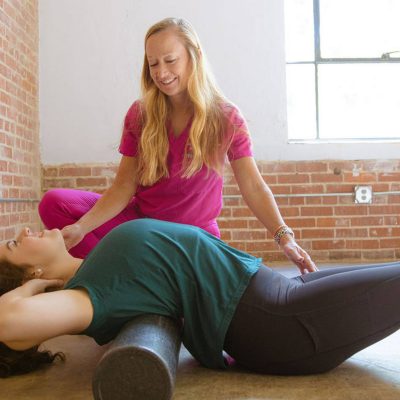
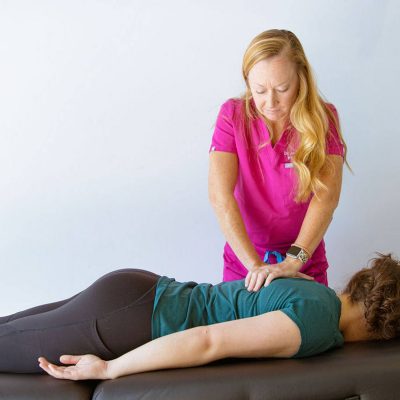
Gentle manual therapy techniques help loosen tight scar tissue, reduce pulling sensations, and restore nerve mobility. This can dramatically improve pain and posture, as the abdominal wall begins to move freely again.
Your therapist can also teach you safe, simple scar massage techniques to continue at home once healing is sufficient.
- Pelvic Floor Muscle Assessment
Even though you didn’t deliver vaginally, the pelvic floor may still be overactive, weak, or uncoordinated. Using external and, if appropriate, internal assessment, your therapist identifies how the muscles are functioning—whether they need relaxation, strengthening, or better timing with your breath.
- Core and Breathing Re-Education
Reconnecting your deep core (especially the transverse abdominis) is crucial for recovery. Your therapist will guide you through diaphragmatic breathing and gentle core activation exercises that reduce pressure on the pelvic organs and improve stability without strain.
This breath–core–pelvic floor coordination is key for preventing prolapse and leakage as you return to daily activities.
- Postural and Movement Retraining
C-section recovery often comes with compensations—rounded posture, guarding at the incision site, and altered lifting mechanics. Therapy includes functional retraining so you can move, lift, and exercise confidently without pain or pressure.
- Gradual Return to Activity and Exercise
Your therapist helps you rebuild strength safely—progressing from gentle mobility and stabilization exercises to more dynamic core, glute, and whole-body strengthening. You’ll learn how to breathe and engage your core correctly during each phase to protect your pelvic floor.
The Emotional Component: Healing Beyond the Physical
Many people who’ve had C-sections also experience emotional or psychological challenges—especially if the delivery didn’t go as planned. Pelvic therapy provides a supportive, validating space to process how your body feels and moves post-birth.
Learning to reconnect with your abdomen and pelvic floor through mindful movement can be an empowering part of emotional recovery as well.
When to Seek Help
You don’t need to wait until symptoms are severe—or even noticeable.
If you’re experiencing any of the following after a C-section, it’s a good idea to see a pelvic health specialist:
- Pain at the scar or pelvic area beyond 6–8 weeks postpartum
- Urinary leakage or urgency
- Constipation or bowel strain
- Pain with intimacy
- A feeling of heaviness or pressure in the pelvis
- Difficulty reactivating your core or feeling “disconnected” from your body
Even months or years after your delivery, it’s never too late to improve your pelvic function and comfort.
The Takeaway
C-sections may bypass the vaginal delivery process, but they don’t exempt the pelvic floor from stress or dysfunction. The abdominal wall, diaphragm, and pelvic floor are deeply interconnected—and when one part of the system struggles, the others adapt.
Pelvic floor physical and occupational therapy can help restore harmony, mobility, and strength—so you can move, lift, laugh, and live without pain or pressure.
If you’re experiencing pelvic pain, core weakness, or intimacy discomfort after a caesarean birth, you’re not alone—and you don’t have to wait for it to go away on its own. Healing is possible, and it starts with understanding your body and giving it the care it deserves.