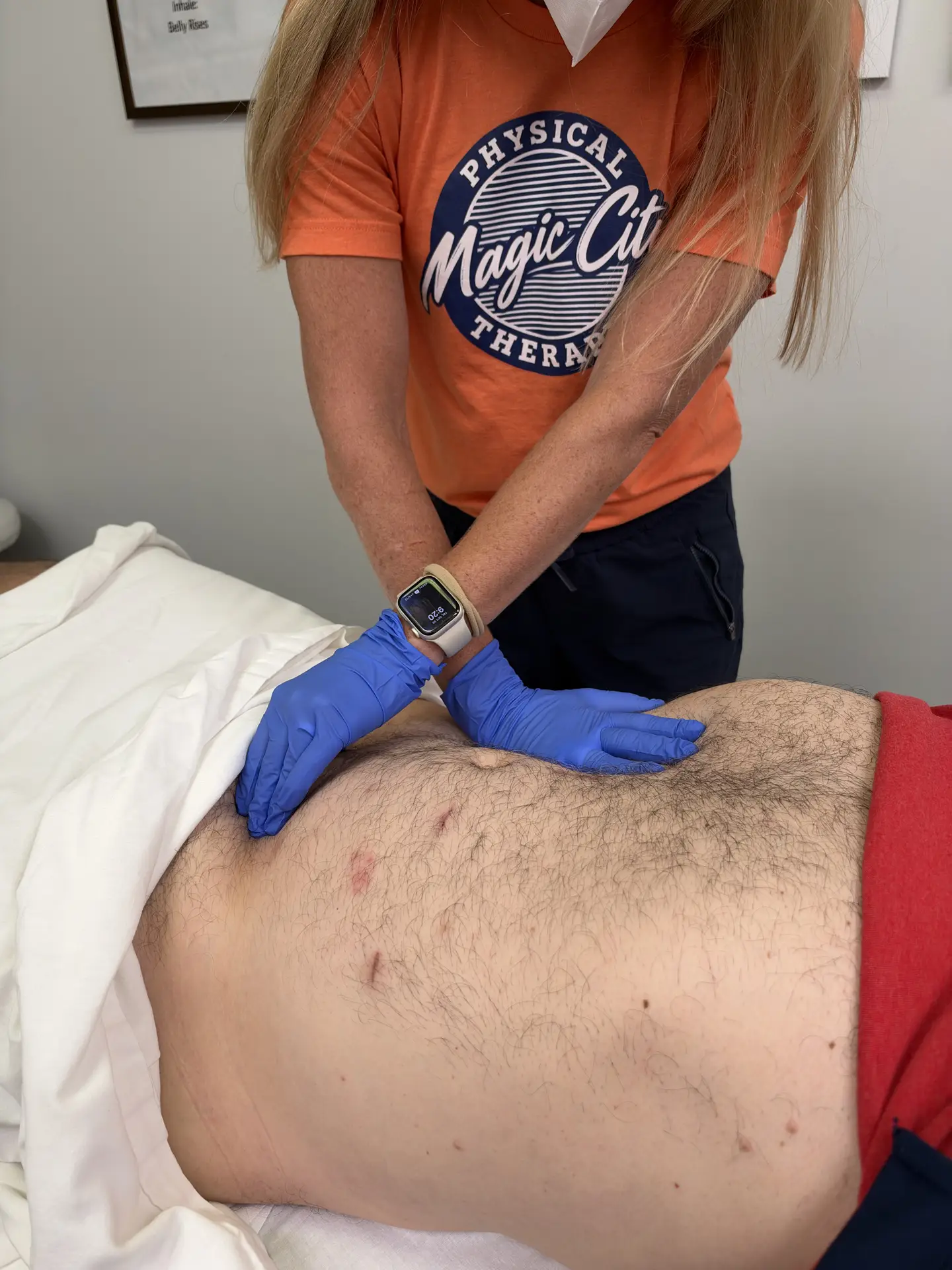
The prostate is a small walnut sized gland that sits in the pelvic cavityl behind the bladder. The function of the prostate is to provide fluid for the semen and enhance mobility of the sperm. However, the prostate can get inflamed and cause pain in the pelvic region. The prostate gland is located just below the bladder in men and surrounds the top portion of the urethra, or the tube that allows urine to exit the body.
SYMPTOMS OF PROSTATITIS INCLUDE:
- pain with ejaculation
- pain during sex
- burning pain at the tip, shaft, or base of the penis
- urinary frequency
- pain between scrotum and anus
- incomplete voiding of urine
- weak urine stream
- urinating more than once throughout the night
- discomfort or straining with bowel movements
- low back pain
ROSTATITIS CAN BE RECOGNIZED IN 4 DIFFERENT CATEGORIES:
- Chronic non-bacterial prostatitis (most common)
- Chronic bacterial prostatitis
- Acute bacterial prostatitis
- Asymptomatic inflammatory prostatitis
Some possible causes of prostatitis include pelvic floor muscle dysfunction, infection, urethral stricture, enlarged prostate (benign prostate hyperplasia), prostate cancer, trauma to the pelvis or genitals, history of prolonged sitting, stress, history of sexual abuse, hemorrrhoids, constipation, and/or postural dysfunction.
The majority of prostatitis instances involve chronic non-bacterial prostatitis. Addressing this condition requires a comprehensive approach encompassing multiple strategies to discover its root causes. It’s crucial to acknowledge that antibiotics are not sufficient for fully addressing this diagnosis, given that the pain is not a result of a bacterial infection. Instead, treatment should target the underlying factors mentioned earlier.
How can pelvic floor physical therapy help the male patient who may be experiencing symptoms of chronic prostatitis?
- Addressing pelvic floor muscle tension
- Stretching the muscles that are attached to the bony pelvis (hip flexors, adductors, abdominal muscles, hamstrings, etc)
- Downtraining tools to reduce central nervous system pain signals and stress
- Posture education
- Pain science education
If you suspect you might be experiencing prostatitis, it’s advisable to consult a urologist for accurate screening. This process would involve a digital rectal examination to evaluate prostate enlargement and pain. Additionally, a pelvic ultrasound or cystoscopy might be employed to assess prostate health, and a urodynamics test could be conducted to appraise urine flow and potential blockages. Based on the findings, the urologist would then determine the most suitable treatment plan, particularly if there’s an elevated presence of white blood cells or physical abnormalities in the pelvic organs. Advocate for yourself in the case of chronic non-bacterial prostatitis and seek out a Pelvic Floor Physical Therapist to help get to the root cause!
Magic City Physical Therapy has therapists trained in the treatment of male pelvic floor dysfunction. We want to encourage you to get evaluated by one of our outstanding physical therapists and regain control of your life.