Feel More Comfortable, Confident, and Connected to Your Body
Your pelvic health is an important part of your overall health—but it’s not something you should have to simply “live with.”
Whether you’re experiencing pelvic floor concerns for the first time in your teens or twenties, navigating pregnancy and postpartum changes, noticing new symptoms during perimenopause, or adjusting to life after menopause, pelvic floor therapy can help you feel stronger, more comfortable, and more confident in your body.
At Magic City Physical Therapy, we provide specialized women’s pelvic floor therapy in Hoover and the Birmingham area in a private, comfortable environment where you can feel heard, respected, and supported. We take the time to understand what you’re experiencing and look at the whole picture—not just your symptoms.
What Is Pelvic Floor Therapy?
The pelvic floor is a group of muscles, connective tissues, and other structures that support the bladder, bowel, and reproductive organs. These muscles also play an important role in bladder and bowel control, sexual function, core stability, posture, and movement.
Pelvic floor problems can occur when these muscles are too tight, too weak, poorly coordinated, or not responding appropriately to the demands placed on your body.
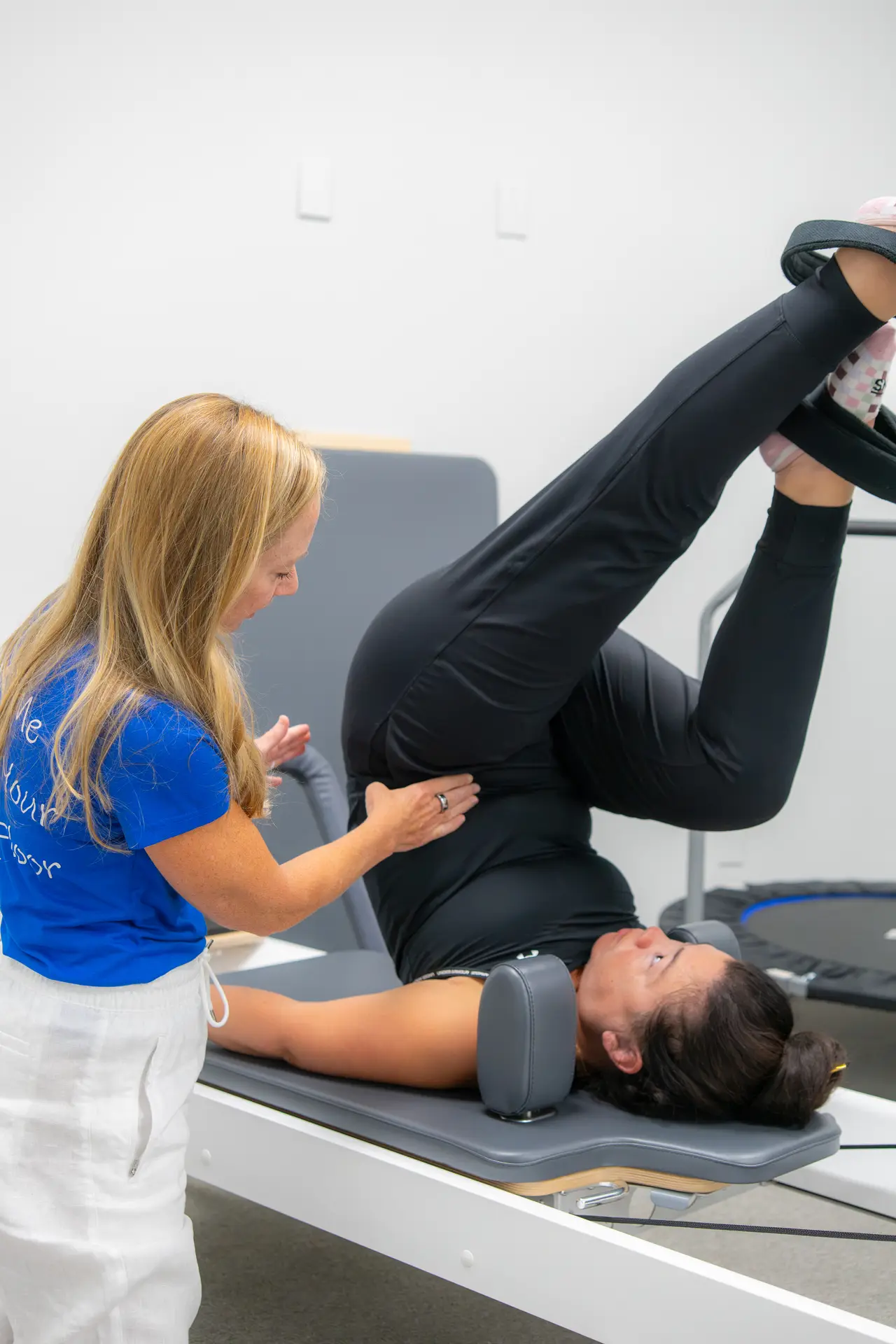
Pelvic floor therapy focuses on identifying what is contributing to your symptoms and helping your body function more effectively. Treatment may include individualized exercise, movement retraining, breathing and pressure management, manual therapy, visceral mobilization, education, and personalized strategies to help you return to the activities you enjoy.
You Don’t Have to Wait Until Something Is “Wrong”
Pelvic floor therapy isn’t just for women who are experiencing significant symptoms.
Many women seek care before pregnancy to better understand their pelvic floor, improve strength and coordination, address pain or bladder and bowel concerns, and prepare their bodies for pregnancy and childbirth.
For women who are pregnant or planning to become pregnant, pelvic floor physical therapy can help prepare the body for the physical demands of pregnancy and birth while addressing symptoms that may otherwise be considered a normal part of pregnancy.
And after childbirth, pelvic floor therapy can support recovery from pregnancy and birth—including vaginal or cesarean delivery, pelvic pain, changes in core strength, urinary leakage, pelvic pressure, and difficulty returning to exercise or other activities.
Pelvic Floor Health Through Perimenopause & Menopause
Your pelvic health can change significantly during perimenopause and menopause, and these changes deserve attention.
As estrogen levels fluctuate and eventually decline, women may experience changes in the pelvic floor, bladder, bowel function, vaginal tissues, sexual health, strength, and overall comfort. Symptoms such as urinary urgency, leakage, pelvic pressure, painful intercourse, constipation, or pelvic discomfort can develop or become more noticeable during this stage of life.
These symptoms are common, but they are not something you simply have to accept as part of aging.
Pelvic floor physical therapy can help you maintain strength, mobility, coordination, and confidence as your body changes. We can also help you better understand how hormonal changes may be affecting your pelvic health and develop an individualized plan to support your goals.
What Can Women’s Pelvic Floor Therapy Treat?
We work with women experiencing a wide range of pelvic health concerns, including:
- Urinary leakage or incontinence
- Urinary urgency and frequency
- Difficulty emptying the bladder
- Pelvic pressure or heaviness
- Pelvic pain
- Hip pain
- Painful menstrual cycles or period-related pain
- Pain with intercourse
- Vulvar or vaginal pain
- Constipation and difficulty with bowel movements
- Fecal urgency or leakage
- Tailbone pain
- Diastasis recti and abdominal weakness
- Core and pelvic floor dysfunction
- Pain associated with endometriosis or PCOS
- Pelvic pain associated with pregnancy or postpartum recovery
- Pelvic floor changes associated with perimenopause and menopause
- Difficulty returning to exercise or physical activity after pregnancy or injury
You may have one of these symptoms, several of them, or symptoms that are difficult to put into words. You don’t need to know exactly what is wrong before making an appointment. That is what we are here to help you figure out.
A Personalized Approach to Pelvic Health
At Magic City Physical Therapy, we don’t believe in a one-size-fits-all approach to pelvic floor therapy.
Your symptoms may be influenced by your pelvic floor muscles, breathing patterns, core strength, posture, hips, spine, abdominal wall, scar tissue, connective tissue, or even how different areas of the body move together. That’s why we take a whole-body approach to assessment and treatment.
Depending on your needs, your care may include pelvic floor muscle training or relaxation, therapeutic exercise, breathing and pressure management, manual therapy, internal pelvic floor treatment when appropriate and with your consent, visceral mobilization, scar tissue treatment, and movement retraining.
Most importantly, you are always an active part of the process. We want you to understand your body and feel confident managing your symptoms—not feel dependent on therapy forever.
Your Body Deserves More Than “That’s Normal”
Women are often told that pelvic pain, painful periods, urinary leakage or urgency, constipation, painful sex, or pelvic pressure are simply something they have to live with. These concerns can affect women at any stage of life—from the teenage years and twenties through pregnancy and postpartum and into perimenopause and menopause.
They aren’t something you simply have to accept.
While pelvic floor concerns are common, they are also treatable. Pelvic floor therapy can help you better understand what is happening in your body, address the underlying factors contributing to your symptoms, and feel more comfortable and confident in your everyday life.
Whether you’re a young woman experiencing pelvic health concerns for the first time, navigating the physical changes of pregnancy and postpartum, or experiencing new symptoms as your hormones change with perimenopause and menopause, we’re here to help you feel supported at every stage of life.
Ready to Feel More Like Yourself Again?
If you’re experiencing pelvic floor symptoms—or simply want to be proactive about your pelvic health—we’d love to help.
Schedule a women’s pelvic floor therapy appointment at Magic City Physical Therapy, and take the next step toward feeling stronger, more comfortable, and more confident in your body.