If you’re preparing for prostate surgery or are already recovering from a prostatectomy, you may have questions about pelvic floor therapy. Will you need an internal examination? What exercises will you do? How long does recovery take? And what if you’re still experiencing urinary leakage months after surgery?
These are common questions, and understanding what to expect can make taking the first step much easier.
Pelvic floor physical therapy (PT) and occupational therapy (OT) can help men improve urinary control, rebuild pelvic floor coordination, and return to everyday activities after prostatectomy. Treatment is individualized, and you don’t have to figure out recovery on your own.
At Magic City Physical Therapy in Birmingham, Alabama, we provide specialized pelvic health therapy for men experiencing urinary leakage and other pelvic health concerns following prostate surgery.
Here’s what you should know about pelvic floor therapy after prostatectomy and how it may help you recover.
Why Is Pelvic Floor Therapy Recommended After Prostatectomy?
The prostate gland sits beneath the bladder and surrounds part of the urethra, which carries urine out of the body. During a prostatectomy, the prostate is removed, and nearby structures involved in urinary control can be affected.
After surgery, some men experience urinary incontinence, particularly when standing, walking, coughing, sneezing, lifting, or exercising. Others experience urinary urgency, frequency, or difficulty coordinating their pelvic floor muscles.
Although urinary control often improves as healing progresses, recovery varies. Some men regain continence relatively quickly, while others experience leakage for several months or longer.
The pelvic floor muscles help support urinary control by working with the urinary sphincter and coordinating with the abdominal muscles and diaphragm. Learning to contract these muscles effectively—and relax them when appropriate—can be an important part of recovery.
The American Urological Association (AUA) recommends offering pelvic floor muscle training to men seeking treatment for post-prostatectomy incontinence.
Importantly, pelvic floor therapy is not simply a matter of doing more Kegels. Effective treatment focuses on how well your muscles work, when they activate, and how they coordinate with your breathing and movements.
What Happens During Your First Pelvic Floor PT or OT Appointment?
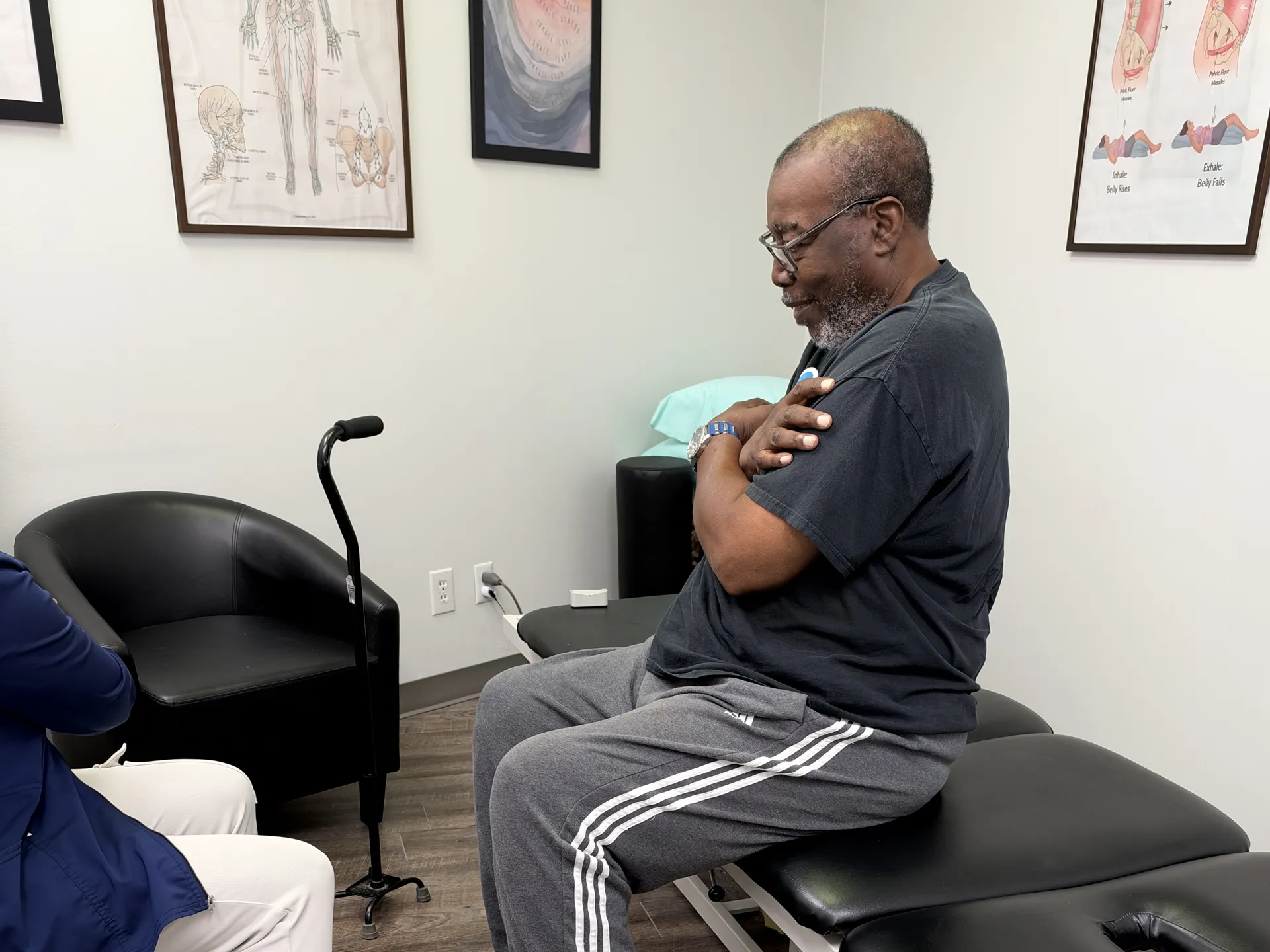
Your first appointment is designed to help your therapist understand your symptoms, identify factors that may be affecting your recovery, and develop a treatment plan that fits your needs.
1. Discussing Your Surgical History and Symptoms
Your therapist will ask about your prostate surgery, recovery timeline, current symptoms, and goals.
You may discuss:
- When leakage occurs, such as during walking, standing, coughing, or lifting.
- How frequently you urinate and whether you experience urgency.
- The number of urinary pads you use and how wet they typically become.
- Your current pelvic floor exercises and any difficulties performing them.
- Your daily activities, exercise routine, work demands, and desired return to normal activities.
These details help your therapist understand how urinary symptoms affect your daily life and establish a baseline for tracking progress.
2. Assessing Your Movement and Muscle Coordination
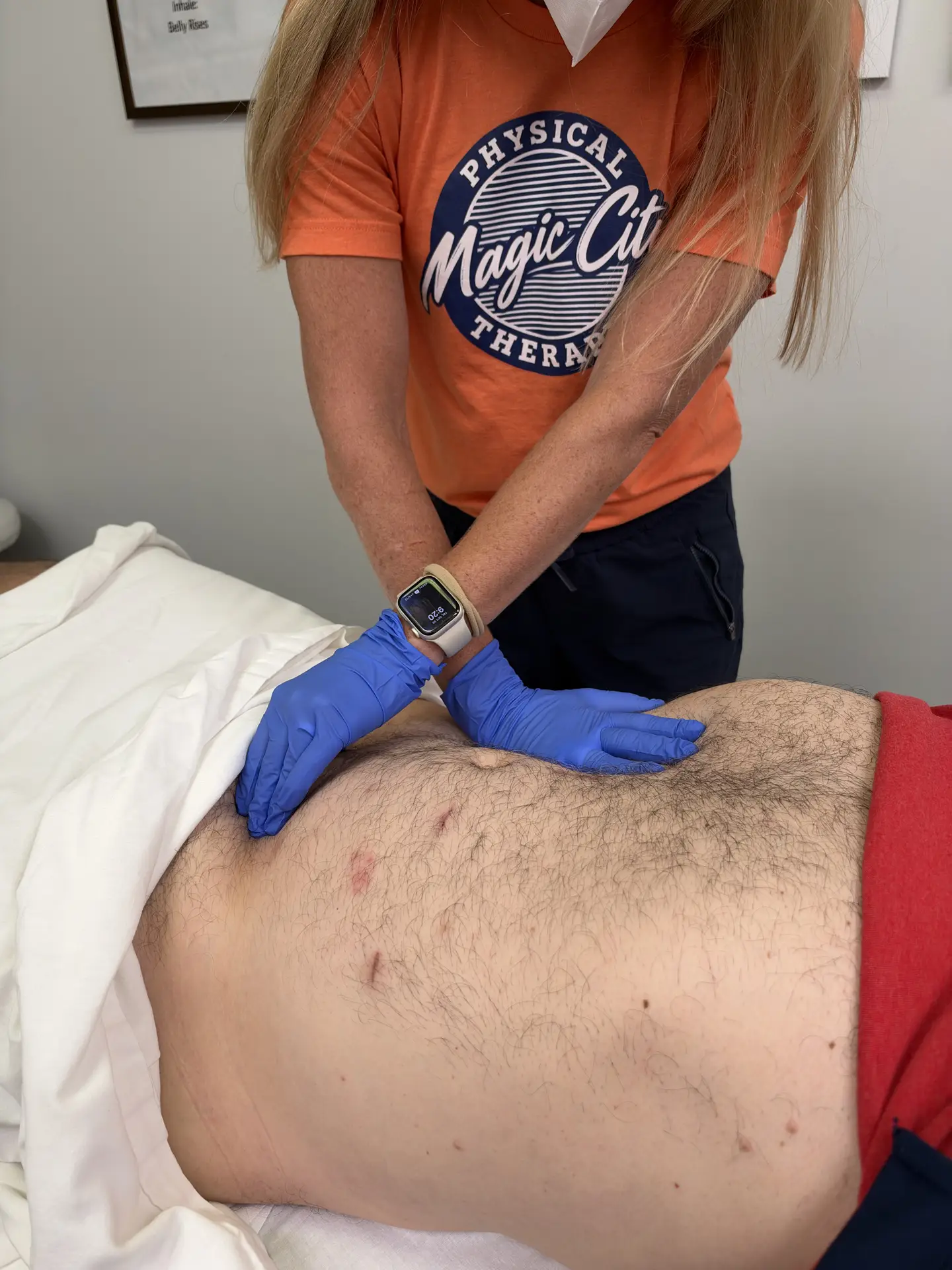
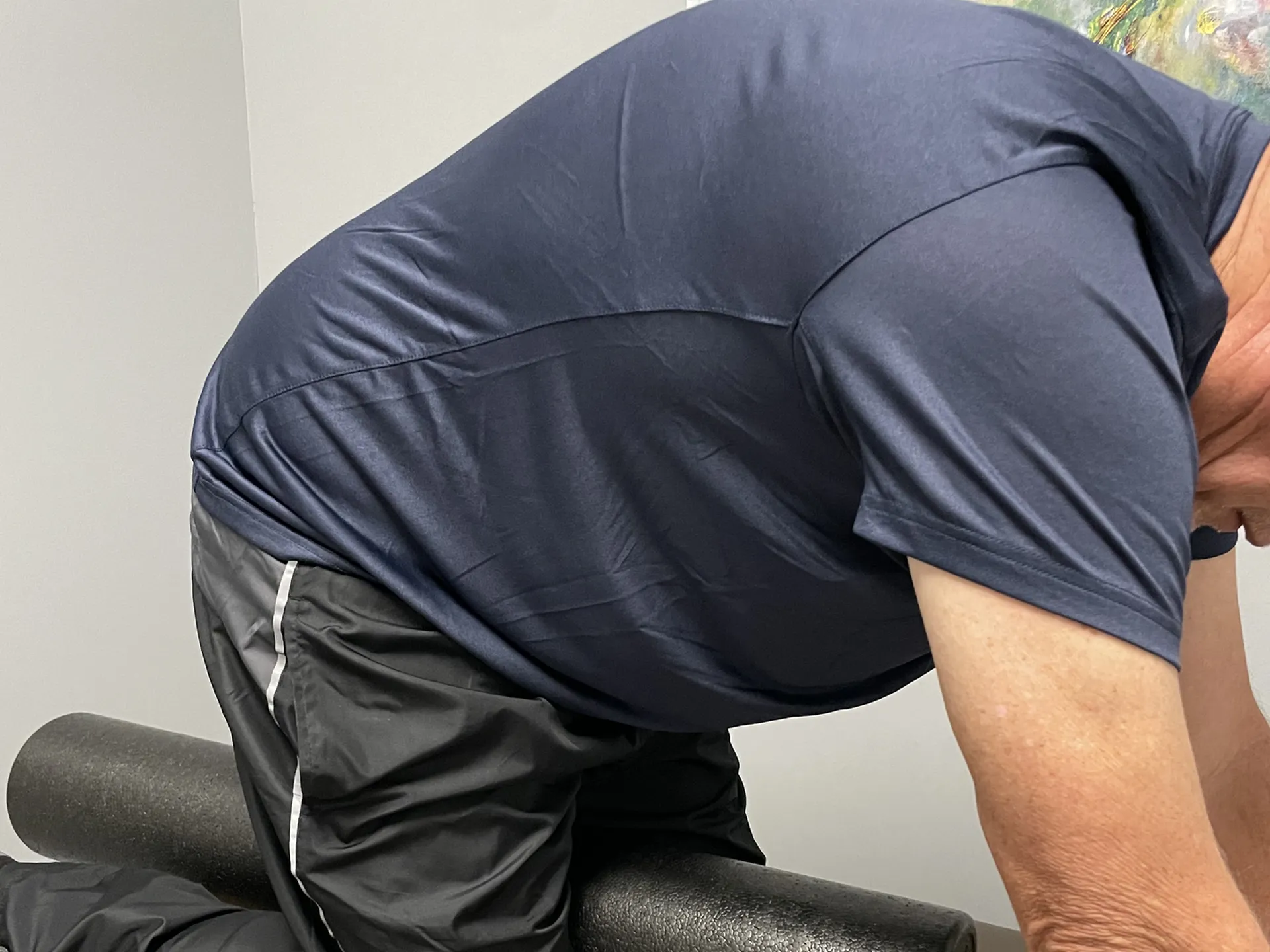
Your evaluation may include an assessment of breathing mechanics, abdominal muscle coordination, posture, hip mobility, and functional movement.
Your therapist may also assess how you manage pressure through your trunk during activities such as standing from a chair, squatting, or lifting.
Because the pelvic floor works with the rest of your body, these factors can influence how effectively you manage urinary control during movement.
3. Do You Need an Internal Examination?
This is one of the most common concerns men have before their first appointment.
An internal pelvic floor examination is not automatically required for pelvic floor therapy.
When appropriate, an internal examination may help your therapist assess pelvic floor muscle strength, endurance, coordination, and the ability to contract and relax. It can provide useful information when you’re having difficulty identifying the correct muscles or when progress has stalled.
However, the decision to perform an internal examination is individualized, requires your informed consent, and should be based on clinical need and your comfort level.
Your therapist can begin with education, external assessment, breathing exercises, and movement-based strategies. You can discuss any concerns or preferences before deciding whether an internal assessment is appropriate.
What Exercises Will You Do After Prostatectomy?
Your exercise program will depend on your current function, symptoms, and stage of recovery. Not every man needs the same exercises, and more repetitions do not necessarily lead to better results.
Pelvic Floor Muscle Training
Your therapist will help you learn how to contract the correct muscles without excessive tension in your buttocks, thighs, or abdomen.
Depending on your needs, exercises may include:
- Short contractions to improve the ability to activate the muscles quickly.
- Longer, controlled contractions to develop endurance.
- Complete relaxation between repetitions to avoid unnecessary muscle tension and fatigue.
- Gradual progression from lying down to sitting, standing, and functional activities.
If you have been performing Kegels without improvement, your therapist can help determine whether your technique, exercise dosage, or progression needs to change.
Breathing and Pressure Management
Your diaphragm, abdominal muscles, and pelvic floor work together to manage pressure within your trunk.
You may practice coordinating your breathing with pelvic floor activation, especially during activities that trigger leakage.
For example, learning to gently engage your pelvic floor before coughing or lifting may improve your ability to manage pressure and reduce stress-related leakage.
The goal is not to keep your pelvic floor clenched throughout the day. Instead, therapy helps you develop appropriate muscle activation and coordination when you need it.
Functional Movement and Return to Activity
As your control improves, exercises may progress to movements that reflect your daily routine.
Depending on your goals, this may include standing from a chair, walking, bending, lifting, or gradually returning to exercise.
Your therapist can help you identify strategies for managing leakage during the activities that matter most to you, while respecting your surgeon’s postoperative restrictions.
How Long Does Pelvic Floor Therapy Take to Work?
There is no single timeline for recovery after prostatectomy.
Progress depends on factors such as the type of surgery, healing, baseline pelvic floor function, severity of leakage, other medical considerations, and consistency with an individualized program.
Some men notice improvement over the first several weeks, while others need a longer period of rehabilitation. Urinary control may continue to improve over the months following surgery.
Your therapist will monitor changes in symptoms, pad use, muscle coordination, and activity tolerance to help determine whether your treatment plan is working.
If progress is slower than expected, your therapist can reassess your technique and program and communicate with your urologist when additional medical evaluation may be appropriate.
You do not have to wait until leakage becomes severe or assume that persistent incontinence is something you must accept. Pelvic floor therapy may be useful during recovery and for men who continue to experience symptoms months or years after surgery.
Is It Too Late to Start Pelvic Floor Therapy?
No. Although pelvic floor muscle training may be introduced before or soon after surgery when appropriate, men can also seek treatment later in recovery.
If you’re still using pads, avoiding exercise, limiting travel, or planning your day around bathroom access, an evaluation may help identify opportunities to improve your bladder control.
Persistent leakage deserves attention, regardless of how long it has been since your prostatectomy.
If your symptoms are worsening or accompanied by pain, blood in your urine, difficulty urinating, or other concerning changes, contact your healthcare provider promptly. Inability to urinate requires urgent medical evaluation.
What Makes Pelvic Floor Therapy at Magic City Physical Therapy Different?
At Magic City Physical Therapy in Birmingham, Alabama, our pelvic health physical therapists and occupational therapists provide individualized care for men experiencing urinary incontinence and other pelvic health concerns.
We look beyond the number of Kegels you’re performing to understand how your pelvic floor functions during breathing, movement, and everyday activities.
Your treatment may incorporate pelvic floor muscle training, bladder education, movement retraining, pressure management, and a progressive home program tailored to your needs.
We also recognize that pelvic health concerns can feel personal. Our goal is to provide respectful, individualized care in a comfortable environment, with treatment guided by your symptoms, preferences, and goals.
Take the Next Step Toward Better Bladder Control
Pelvic floor therapy after prostatectomy can help you understand your symptoms, improve muscle coordination, and work toward greater urinary control.
Whether you’ve recently undergone surgery or are still experiencing leakage months or years later, you have options beyond simply doing more Kegels.
Magic City Physical Therapy offers specialized pelvic floor PT and OT in Birmingham, Alabama, for men recovering from prostatectomy and managing persistent urinary leakage.
Contact our team to learn more about pelvic health therapy and determine whether an individualized evaluation may be appropriate for you.
Medical note: Pelvic floor therapy is a conservative treatment option for post-prostatectomy urinary incontinence. Individual outcomes vary, and therapy does not replace medical follow-up with your urologist or surgeon.