If you’ve had a prostatectomy and are experiencing urinary leakage, you may be wondering whether what you’re experiencing is part of normal recovery or a sign that something isn’t healing as it should.
Maybe you’re wearing pads throughout the day, leaking when you stand up or cough, or planning your activities around the nearest bathroom. Perhaps your surgery was months ago, and you expected to be dry by now.
Urinary leakage after prostate surgery is common, but that doesn’t mean you have to accept it indefinitely.
Understanding what causes post-prostatectomy incontinence, how recovery typically progresses, and when to seek help can help you take the next step toward better bladder control.
At Magic City Physical Therapy in Birmingham, Alabama, our pelvic health physical therapists (PTs) and occupational therapists (OTs) help men address urinary leakage through individualized treatment focused on pelvic floor function, coordination, and bladder control.
Why Does Urinary Leakage Happen After Prostatectomy?
The prostate gland sits beneath the bladder and surrounds part of the urethra, the tube that carries urine out of the body. During a prostatectomy, the prostate is removed, and nearby structures involved in urinary control can be affected.
The urinary sphincter helps keep the urethra closed when you’re not urinating. The pelvic floor muscles provide additional support and work with the sphincter to maintain continence.
Following surgery, these structures may need time to heal and adapt. Changes in muscle function, sphincter function, and coordination can contribute to urinary leakage.
The most common type of incontinence after prostatectomy is stress urinary incontinence. This occurs when urine leaks during activities that increase pressure within the abdomen, such as coughing, sneezing, standing, walking, exercising, or lifting.
Some men also experience urinary urgency, frequency, or a combination of symptoms.
The amount of leakage and the speed of recovery vary considerably from person to person. Your surgical history, healing, baseline pelvic floor function, and other medical factors can all influence your outcome.
What Is Normal During Recovery After Prostatectomy?
Urinary leakage is common during the early weeks following prostate surgery. You may initially need several pads per day, particularly when moving around or spending time on your feet.
As healing progresses, many men experience gradual improvement in bladder control. You may notice that your pads are less wet, you leak less frequently, or you can perform more activities without leakage.
However, recovery doesn’t follow the same timeline for everyone.
Some men regain urinary control relatively quickly, while others experience leakage for several months or longer. Improvement may occur gradually rather than all at once, and temporary plateaus can happen.
Rather than judging your recovery by a specific deadline, pay attention to the overall trend in your symptoms. Are you using fewer pads? Is there less urine in each pad? Can you walk, lift, or exercise with fewer episodes of leakage?
These changes can provide useful information about your progress.
If you’re unsure whether your recovery is progressing as expected, discuss your symptoms with your urologist or surgeon. You don’t need to wait until a particular number of months has passed before asking for guidance.
When Should You Be Concerned About Persistent Urinary Leakage?
Although leakage is common after prostatectomy, persistent symptoms deserve attention, particularly when they interfere with daily activities or your quality of life.
Consider seeking additional help if:
- You’re still experiencing significant leakage several weeks or months after surgery.
- You’re not noticing improvement over time or your symptoms are worsening.
- You continue to rely on multiple pads each day.
- You leak during ordinary activities such as walking, standing, coughing, or lifting.
- You’re avoiding exercise, social activities, travel, or work because of bladder concerns.
- You’ve been performing Kegels consistently but haven’t noticed meaningful improvement.
There is no need to wait until leakage becomes severe to seek help. Even if you are still relatively early in recovery, a conversation with your healthcare provider can help clarify your options.
If leakage persists, your urologist can evaluate whether additional medical assessment or treatment is appropriate. Pelvic floor physical therapy and occupational therapy may also help address contributing factors and improve urinary control.
Is It Too Late to Get Help if You’re Still Leaking Months or Years Later?
No. Persistent post-prostatectomy incontinence can be evaluated and treated, even when surgery occurred months or years ago.
The American Urological Association (AUA) recommends offering pelvic floor muscle training to men seeking treatment for post-prostatectomy incontinence.
Pelvic floor therapy can help you understand how your muscles are functioning and whether changes in strength, endurance, coordination, or relaxation may be contributing to your symptoms.
Treatment may include pelvic floor muscle training, breathing coordination, pressure management, bladder education, and functional movement training. Your therapist can also help you identify strategies for managing leakage during the activities that matter most to you.
For men whose leakage remains bothersome despite conservative treatment, additional options may be available through a urologist, depending on the severity and cause of the incontinence.
The important point is that persistent leakage should not automatically be accepted as your new normal. There are options worth exploring.
Why Aren’t Kegels Always Enough?
Kegels are commonly recommended after prostatectomy because they help train the pelvic floor muscles involved in urinary control. However, simply performing more repetitions doesn’t guarantee better results.
Some men have difficulty identifying the correct muscles and may unknowingly squeeze their buttocks, tighten their thighs, or hold their breath instead of contracting the pelvic floor effectively.
Others may have adequate strength but struggle to activate the muscles at the right time. For example, leakage during coughing or lifting may occur when the pelvic floor doesn’t coordinate effectively with changes in abdominal pressure.
Excessive repetitions or constantly holding the muscles contracted can also contribute to fatigue or difficulty relaxing between contractions.
A pelvic health PT or OT can assess your individual needs and help determine the most appropriate exercise technique, dosage, and progression. The goal is to develop effective muscle control that translates into better bladder management during everyday activities.
What to Expect From Pelvic Floor PT and OT
At Magic City Physical Therapy, our pelvic health physical therapists and occupational therapists provide individualized treatment for men experiencing urinary leakage after prostatectomy.
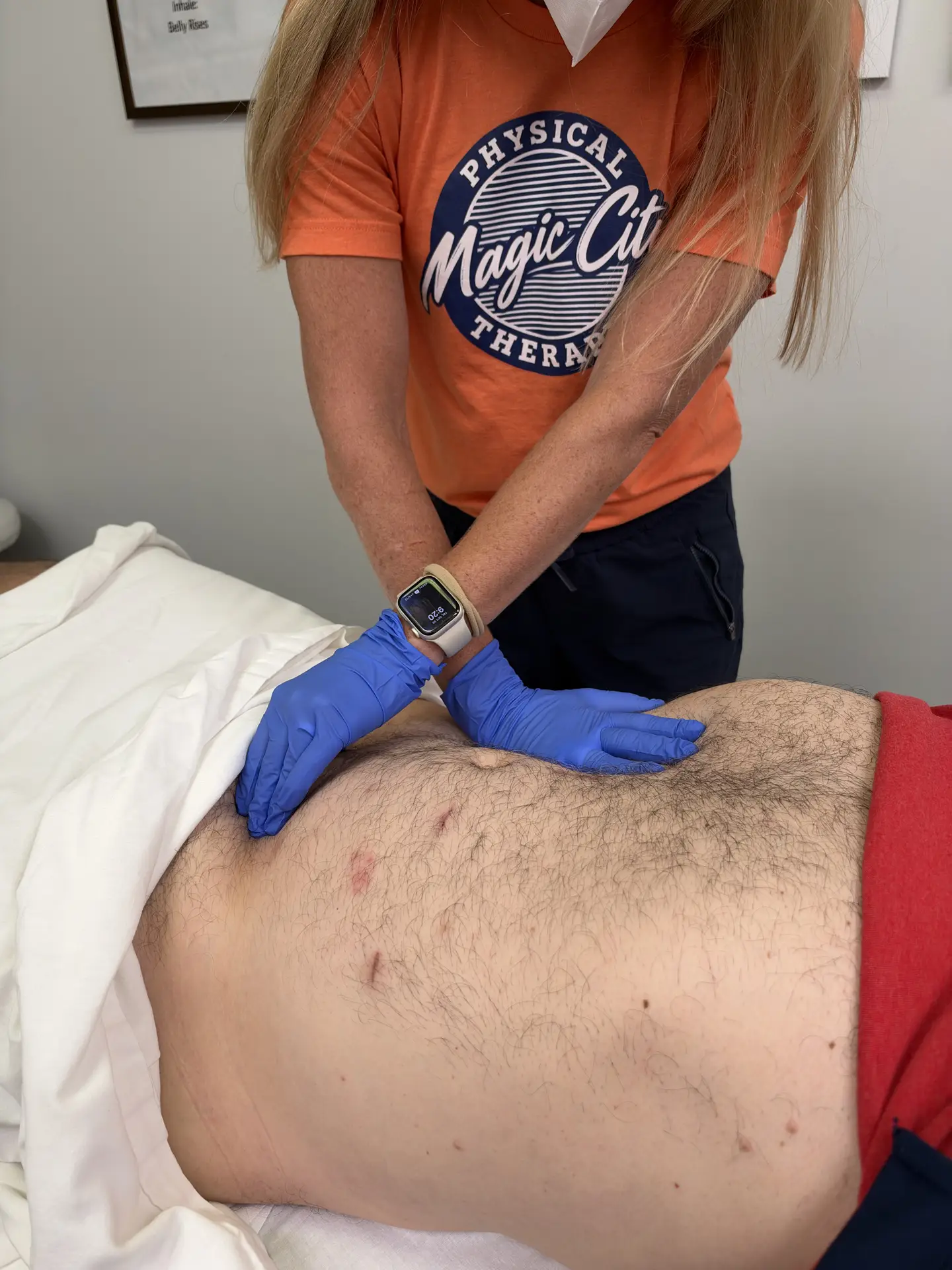
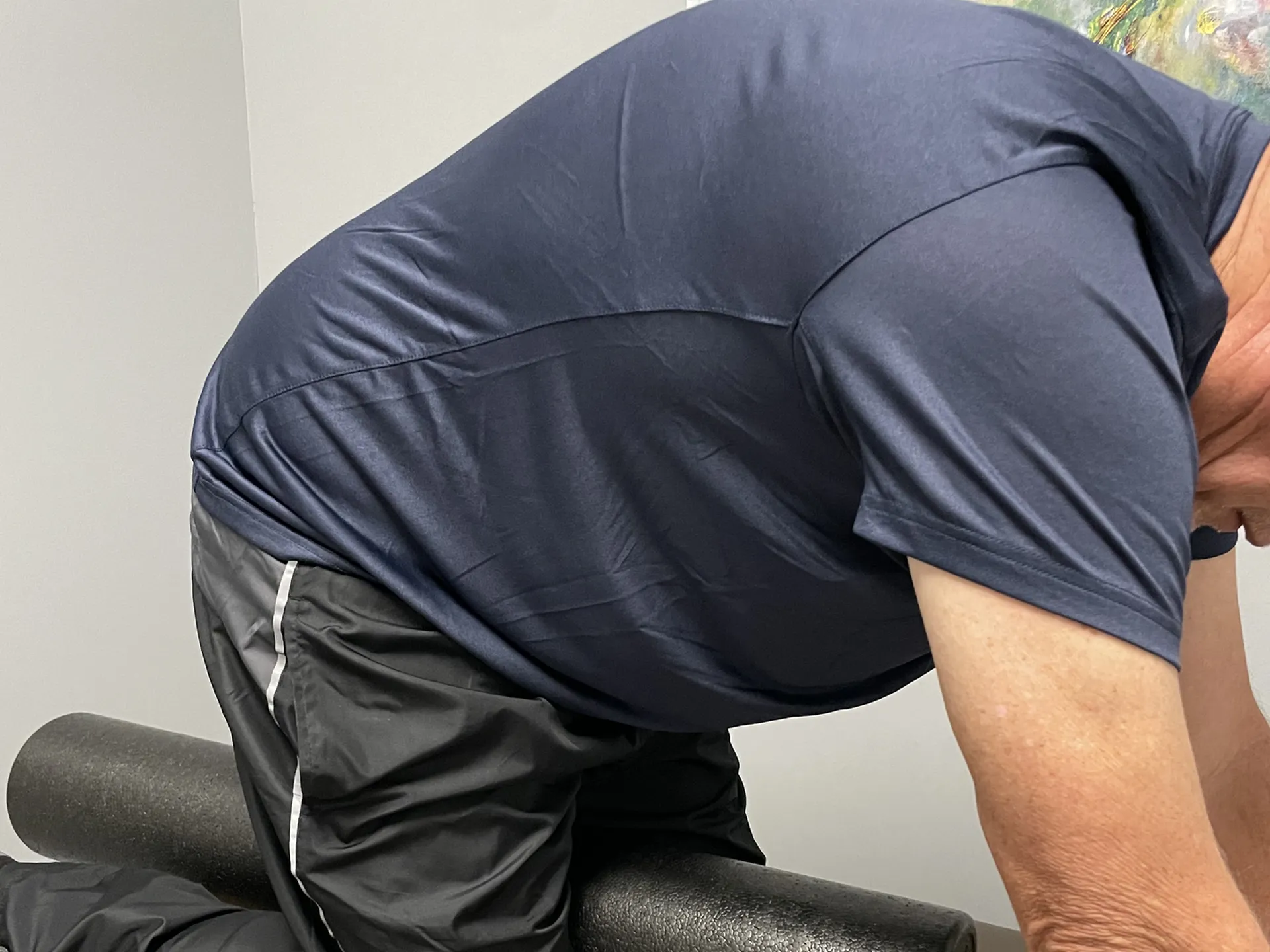
Your first appointment may include a discussion of your surgical history, urinary symptoms, pad use, current exercise routine, and goals. Your therapist may assess breathing mechanics, abdominal coordination, movement patterns, and pelvic floor muscle function.
When appropriate, an internal pelvic floor examination may provide additional information about muscle strength and coordination. However, internal assessment is not automatically required, and treatment can be adapted to your comfort level and preferences.
Your treatment plan may include:
- Pelvic floor exercises tailored to your current strength and coordination.
- Breathing strategies to improve pressure management during movement.
- Training to coordinate pelvic floor activation with coughing, lifting, and other activities.
- Bladder education and practical strategies for managing urinary symptoms.
- A progressive home exercise program designed around your recovery and goals.
Treatment is individualized rather than based on a one-size-fits-all exercise routine. Your therapist can monitor your progress and adjust your program as your function changes.
When Should You Contact Your Doctor Immediately?
Not all urinary symptoms after prostatectomy are simply part of routine recovery.
Contact your surgeon or healthcare provider promptly if you experience worsening urinary symptoms, new or increasing pain, fever, or blood in your urine that is concerning or outside the expectations provided by your surgical team.
Inability to urinate requires urgent medical evaluation. Severe symptoms or signs of a serious postoperative complication warrant emergency care.
Pelvic floor therapy can support recovery, but it does not replace medical evaluation when symptoms suggest a possible complication.
You Don’t Have to Live Around Your Bladder
Urinary leakage after prostatectomy is common, and recovery can take time. But if you’re still wearing pads, limiting your activities, or worrying about leakage months after surgery, you deserve answers and support.
The AUA recommends offering pelvic floor muscle training to men seeking treatment for post-prostatectomy incontinence. An individualized pelvic health evaluation can help determine whether your current approach is appropriate and what additional strategies may help.
At Magic City Physical Therapy in Birmingham, Alabama, we provide specialized pelvic floor PT and OT for men experiencing urinary leakage after prostatectomy. Our goal is to help you improve bladder control, return to meaningful activities, and feel more confident in your daily life.
Contact Magic City Physical Therapy to learn more about your options and whether pelvic floor therapy may be appropriate for you.
Medical disclaimer: This article is for educational purposes and does not replace individualized medical advice. Recovery varies, and persistent or worsening urinary symptoms should be discussed with your urologist or healthcare provider.